Spiderhoney
Spiderhoney are an Alt-Rock band based in Bath and Bristol, taking influence from Courtney Barnett, Fontaines D.C. and English Teacher. Spidehoney is a band I am the drummer of. I have also recorded and produced most of our releases to date. The aim of recording these two songs, ‘Big Kid’ and ‘Guy Stuff’ was to build up a store of recordings that are ready for release. We will soon no longer have access to free studio spaces, and these recordings will give us a couple of singles, ready-to-go, before having to spend money on recording more music.
Schedule
All of the band members have very busy calendars, so our studio sessions are planned well ahead. The ones for these songs were booked as day sessions, 10am-6pm, with the aim to complete a single per session. Additional sessions for extra backing vocals and any overdubs could be booked later, once the band had listened to the recording a few times in the week after the original session.
The sessions were -
24th June - Guy Stuff recording session
‘Guy Stuff' is a song we had previously tried to record near the end of 2025. We sat on it for a while though, gigged it a lot, and came up with several changes in the arrangement to improve it. The main change was an increase in tempo.
This session took place in The Hive. The previous recording we had done of this song took a long time to form into a finished sound. In The Hive, I could use outboard gear throughout the recording and get the band to commit to sounds at source. We wanted it a lot grittier this time. The larger room would also give the drum sound I wanted for this track. The studio was the right choice, and we left the session already 80% happy with the sound of the recording.
16th August - Big Kid recording session
This took place in Music Labs, due to our availability and the lack of availability of The Hive. However, I think that Music Labs ended up suiting this song's sound better, especially in terms of drums and bass. On request, I was able to borrow some equipment from The Hive, such as small amps for what I had envisioned for the guitar sounds. ‘Big Kid’ is the most recent song the band has written, and my personal favourite. I was keen to get this one recorded as soon as possible while it was fresh.
26th August - Additional overdubs and recordings
This also took place in Music Labs. Here we redid the bass for ‘Guy Stuff' and captured a much better performance. We had a few noise and tone issues with Heather’s bass and pedals in the original session, which got fixed before retracking. We also added some synth hooks, as we had decided the song felt a bit plain throughout. The synth was a new sound for our music, but we liked it and I think it is a sound the band will pursue more in future recordings and songwriting.
We also added additional backing vocals to the choruses of ‘Big Kid', which felt like the finishing touch that was missing.
Recording
Drums
As the drummer of the band I often find it difficult to produce the drum sound, as I can’t play drums and man the console at the same time. I usually give the band an outline of what gain settings to aim for on channels, and rough EQ moves to make if needed. However, the majority of the drum production I have usually done in post.
Guy stuff -
I wanted to make the most of this Hive session and get the drum sound right and completed. During the year I had been getting more experience of, and becoming more familiar with using, analogue gear in the studio. I was getting into it; finding I was reaching results faster during recording sessions, and committing to sounds earlier on. Trusting my choices in the studio was saving me a lot of time later on. I was also finding that working this way felt a bit more creative, rather than always looking at my computer and mixing only in the box.
I played a rough take of the song, and then did an analogue desk mix of that take. Leaving the settings where they were, I then flipped the inputs back around and the desk was preset for the recording sessions.
I chose to use the Ludwig Vistalite kit, with my Ludwig Acrolite snare. These drums have a sound that I really like and, I think, compliment my playing style well. They also sound big and obnoxious in the room, which played well with the satirical theme of the song. I heavily deadened the floor tom so it sounded shorter, with more attack.
(Distressors on kick and snare)
(Big Kid drum recording setup)
(Bass DI and mic compression)
(Fred’s guitar Brigade Chorus)
(Jule’s guitar EQ)
(Lead vocal EQ )
(Lead vocal clipper)
(Fresh Air on lead vocal)
(Lead vocal slapback delay)
(Devil-Loc parallel bus )
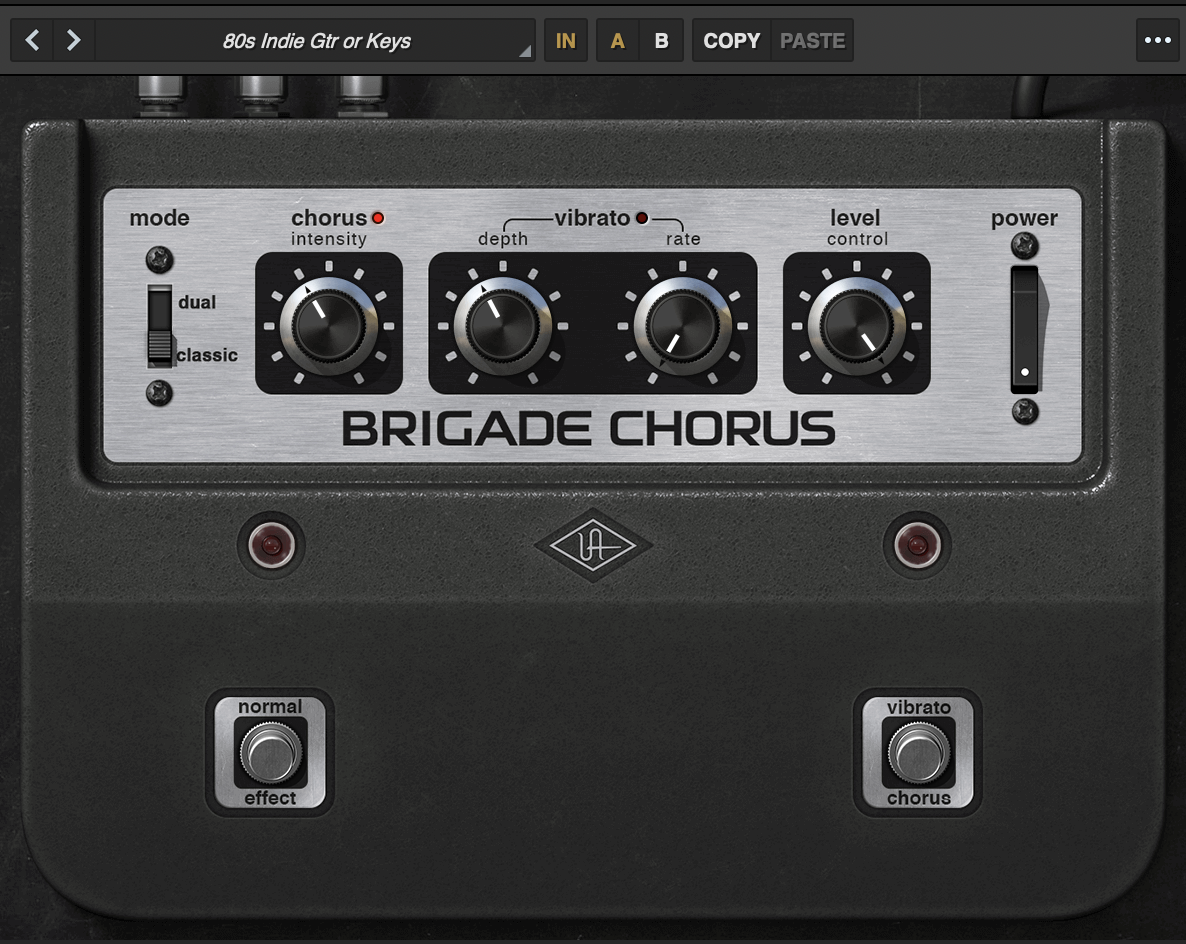
(Jules’s guitar Brigade Chorus)
(Fred guitar LA-2A compressor)
(Lead vocal compression)
(Lead vocal De-Esser)
(Bass multi-band compression)
(Guy Stuff drum recording setup)
Even though we were increasing the tempo of this song, to almost a Punk style, I tried to keep laid back in my playing. I wanted drive and momentum, but for it not to sound rushed. We used the previous demo of ‘Guy stuff’ as a guide track and sped it up using Logics’ Varispeed. This helped a lot because I felt I was playing with the band, instead of just a metronome.
The mics we used were:
Kick In - AKG D12
Kick Out - Soyez 023
Snare Top - Beyerdynamic M201
Snare Bottom - SM57
Tom 1 - MD421
Tom 2 - MD421
Overheads - Neumann KM184 pair (XY configuration)
Room Close - Coles (positioned on the kick snare centre line)
Room Far - Coles (positioned far corner of the room, microphone null directed at the kit to reject direct sound of the drums)
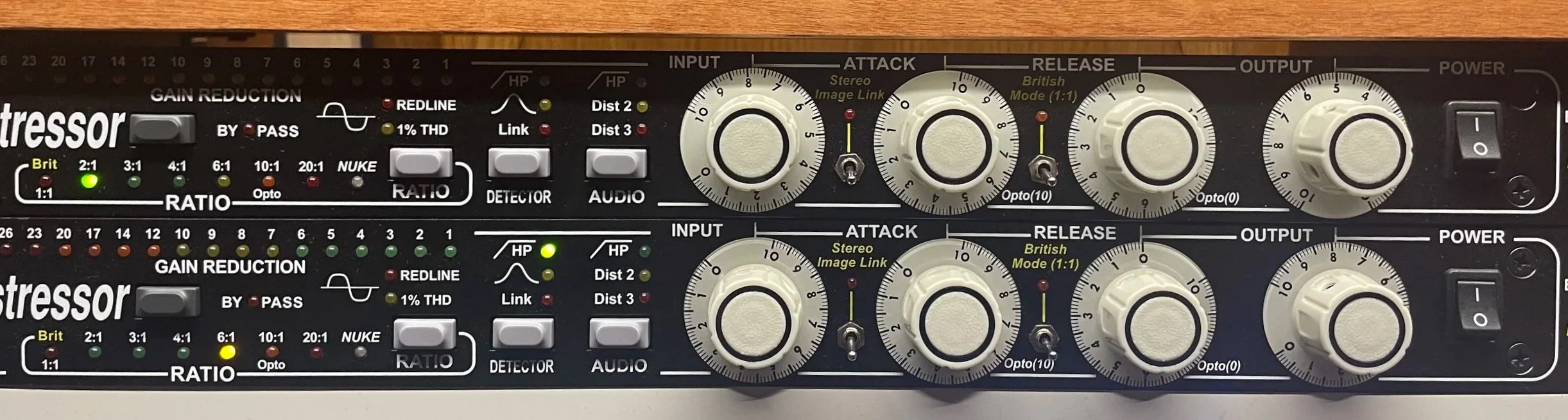
For outboard gear, I used Distressors on the kick in and snare top mics to compress heavily. The drumming was leading and driving this song, so I wanted the kick and snare to be consistent and hard hitting.
I also compressed the room mics using 1776 compressors. These were set with ‘attack’ around 12 o’clock and ‘release’ on the fastest setting. I chose a ratio of 4:1.
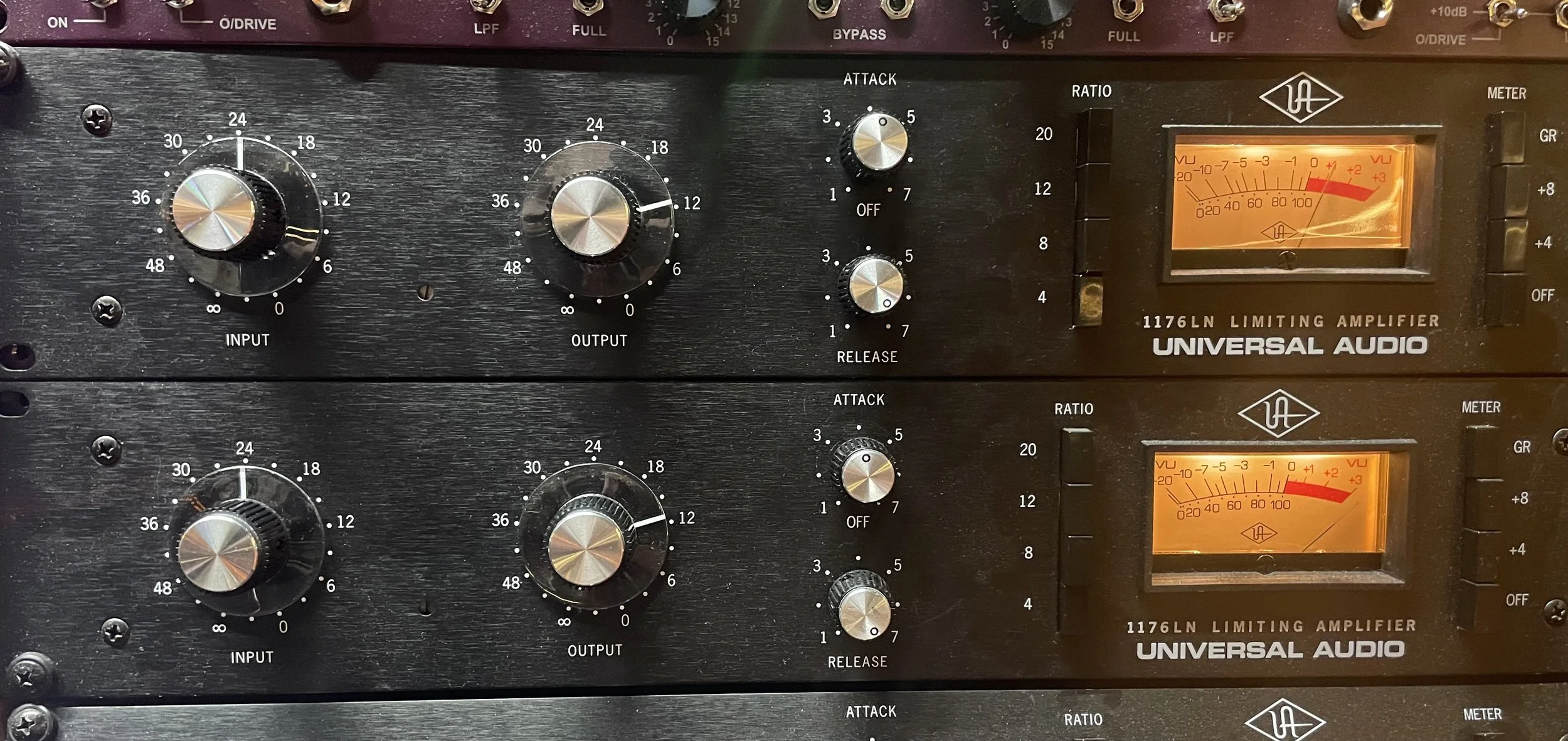
(1176 compressors on room mics)
Big Kid -
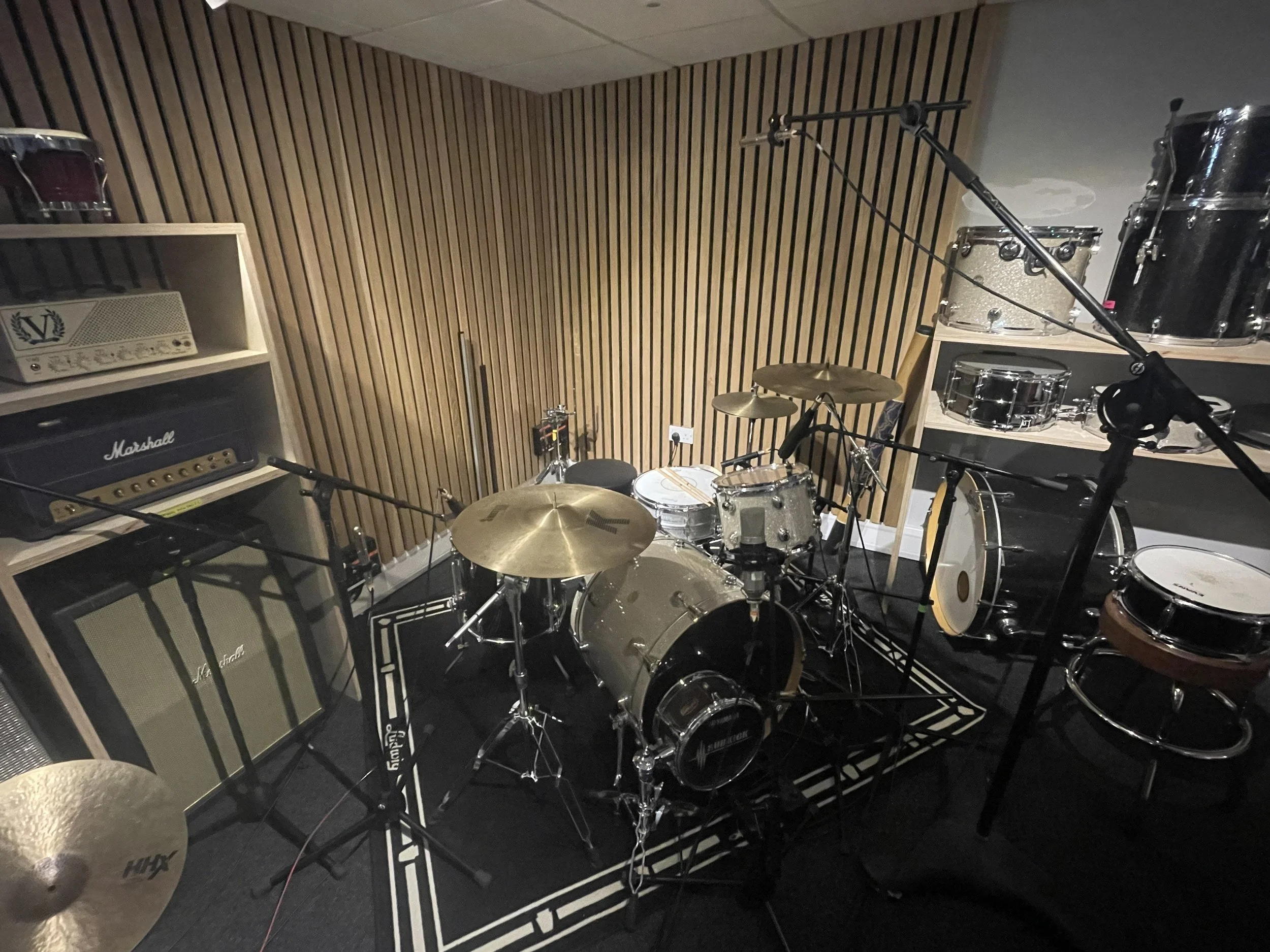
I used the DW kit in the Music Labs, as we had used it on other Spiderhoney songs and got good results. I was also confident, from past experience, that we could get the recording results we wanted without outboard gear for this song.
Prior to recording, Jules recorded a scratch track of guitar and vocals for me to use as a guide. I did find it difficult to gauge how I should be playing without context of the rest of the band, but I was pleased with the end result.
I used a different mic set up than I normally would, because we wanted a Lo-fi sound in the verses, and then a big Rock sound in the choruses.
The mics were -
Kick In - AKG D112
Kick Sub - Yamaha sub kick
Snare Top - Beyerdynamic M201
Snare Bottom - SM57
Toms 1 - MD421
Toms 2 - MD421
Despite using the Glyn Johns set up on the overheads, which captured the toms well, I did want additional close mics so that I could blend and bring the toms closer for drum fills, and really emphasise them in the mix.
Overheads - BM9 Ribbons
Set up using the Glyn Johns technique. This is a mic directly above the snare, and another over the right of the drummer. It's really important to have these mics the exact same distance from the snare to assure good phase alignment. We have used this mic setup in the past and achieved a really punchy drum sound that we like. I could also play around with panning these overheads in the mix, to alter the width of the drums stereo image for smaller and bigger sections of the song.
Room Mono
I only used a mono room mic, as the room sound did not need to be wide spread and big sounding.
Kit Front - Neumann U87
This mic would do a lot of heavy lifting in creating the vibe of the drums. It would be heavily compressed and saturated in post, to achieve a more crunchy, Lo-fi effect on the drums and provide a strong low-end.
Bass
Heather played her bass through a Fender Bassman amp, paired with an Orange cab, for both tracks. I captured a clean DI, pre pedals and amp. I used an MD421 to capture the amp tone. We also used a Darkglass Vintage Ultra V1, which was highly recommended and generously lent to us by James Jack (CM music tech). This added some really nice grit to the bass tone and gave it some edge which suited the heavier vibes of both these songs.
(Bass tracking from the control room)
As a band, we have always preferred being in the same room with the amps. As all of the bass was eventually recorded in Music Labs, we tried something different and set Heather up so she could play from the control room. It was better for communication and monitoring the playing, and resulted in a better performance. They all want to do it now.
Guitar
Guy stuff
For a jangly tone, we used a Vox AC30 with Jules’s Jazzmaster guitar. I only used an OC818 condenser on this amp, and tried to capture a natural image of the amp by positioning it about a foot away from the speaker. This song needed to sound dirtier, without perfect tones, so further mic placement would work better.
We captured lots of feedback and strange guitar noises using reverb and Jules’ looper pedal, which we could layer in for chaotic energy during the heavier, more intense, sections of the song.
Fred used an Orange AD30 head, through a 2x12. Fred usually plays an Orange live, so the sound is familiar and, I think, a part of his guitar sound. I used the same OC818 placement on his amp.
Big Kid
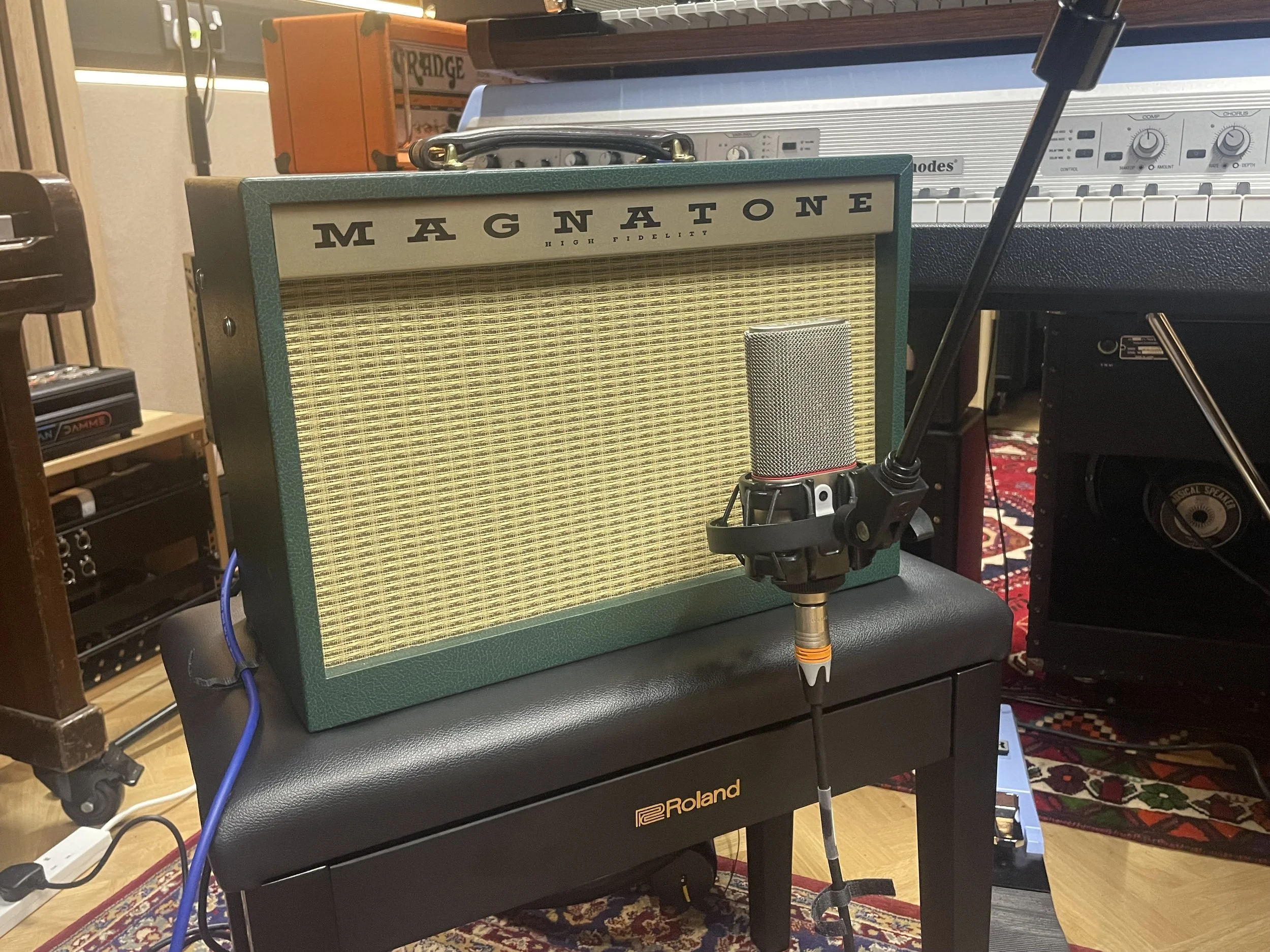
We paired a small Magnatone amp with Jules’s guitar. It instantly sounded really good and was what I had imagined for the song. I mic’d this amp using an OC818 condenser positioned far back from the speaker. As it was a small amp, positioning the mic close made the guitar feel small. Placing it further back gave it a bigger sense of scale in the room and within the recording. This vintage sound was great and worked well in the track, especially in the verses. For the choruses, Jules used a distortion pedal. I was worried that it wouldn’t sound great with the small amp. I was wrong and it sounded huge within the track.
For Fred’s guitar, we initially tried a Roland JC-120 amp. At the time I was into a band called Drug Church, whose guitarist uses a Jazz Chorus, paired with heavy distortion. The punch and loud, clean, tone of this amp, with the distortion and built-in chorus effect, creates a really interesting and unique, dirty sound. I felt this tone would work well on the choruses and lead parts of ‘Big Kid’. Unfortunately, we could not achieve enough distortion with just Fred’s drive pedal. We had to use a Vox AC30 instead and achieved a similar tone with the amp’s gain. I’m still curious to hear what the Jazz Chorus would have sounded like in the song. I mic’d the amp using an OC818 condenser. This captured a really full sound and gave the song weight with a thick guitar arrangement.
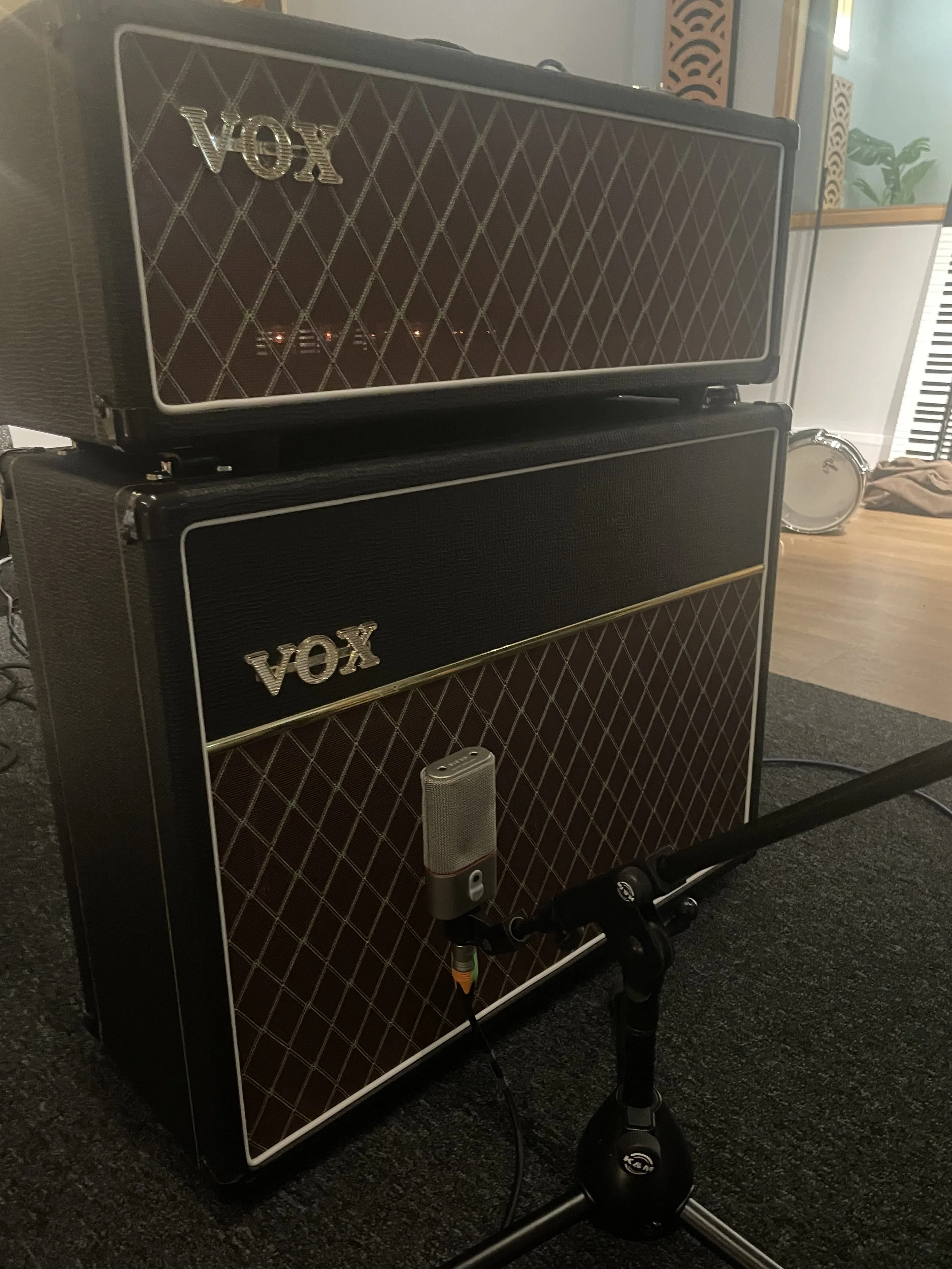
(Vox AC30 amp with OC818)
I tried double-tracking guitar parts to add width, but found that panning Fred and Jules’s solo guitar tracks hard left and right worked better, and left loads of room for drums and the more Pop-style vocal. Listening to 2000’s Pop-Rock references, these arrangements are actually a lot simpler and sparser than they originally seem. So we followed this approach as well with ‘Big Kid’.
Vocals
For ‘Guy Stuff' we used a Reslo ribbon microphone. I felt it would give a warmer vocal sound, and might contrast well with the more edgy sounds of the instruments. I compressed using an 1176, acting fast, and evened out the larger peaks of performance. I then used an LA-2A for a more overall compressed sound.
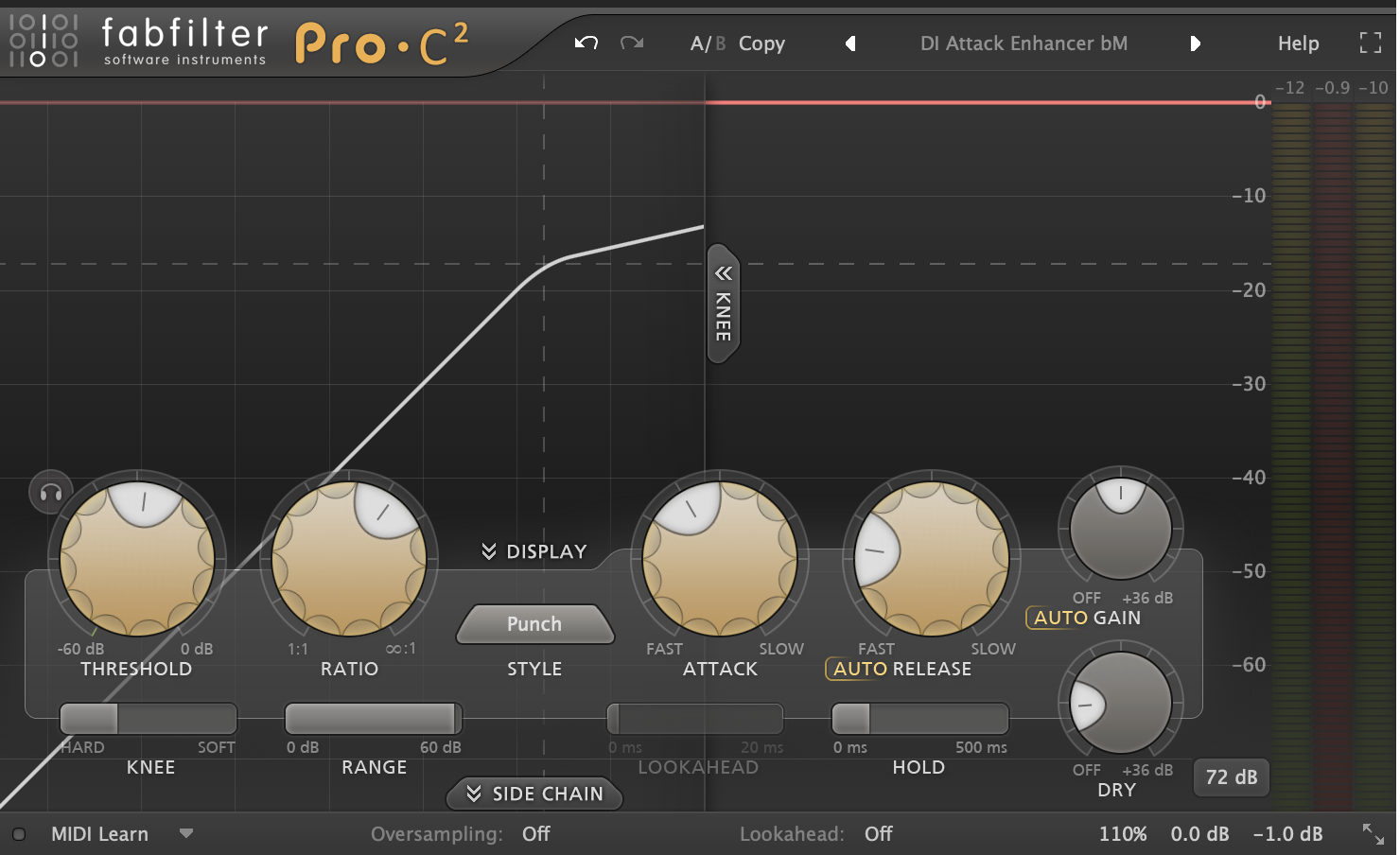
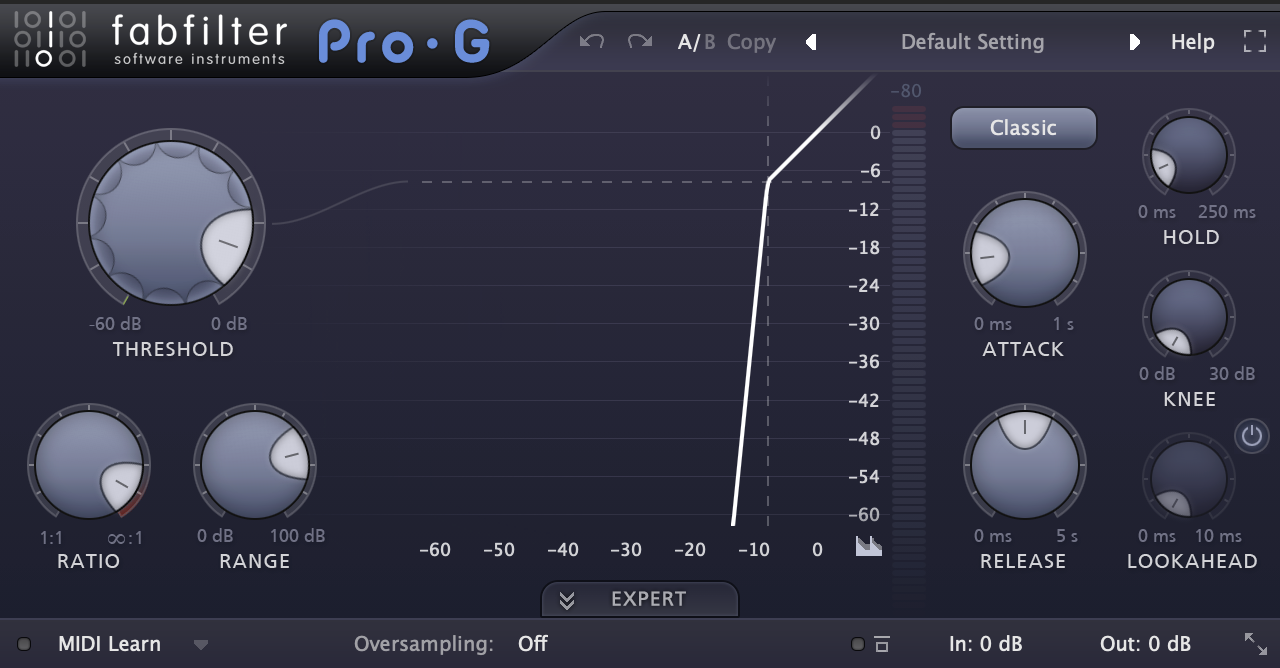
For ‘Big Kid' we wanted more of a Pop vocal. I chose the Neumann U87 to achieve a really clear vocal. I didn't have access to any outboard gear, but we did track using Fabfilter Pro-C so that Jules could get the feel of having compression on and perform according to how it reacted. I feel that I did well at arranging and producing the vocals on this track, and they are probably the best vocals I have recorded so far with Spidehoney. If anything, I have become much more confident in how to arrange and produce vocals on a song.
Synth
Guy Stuff
Fred used his Korg synthesiser. We wanted quite buzzy synth sounds that would cut through the mix, and provide counter-melodies to both Fred's guitar and Jules’s vocals. We tried many different sounds and had to think carefully about space within the mix. Synths can cover a larger part of the frequency range and we didn’t want the other instruments struggling to compete. The synth parts were really fun to create with the band in the studio, and at times required multiple people to operate the synth during a take.
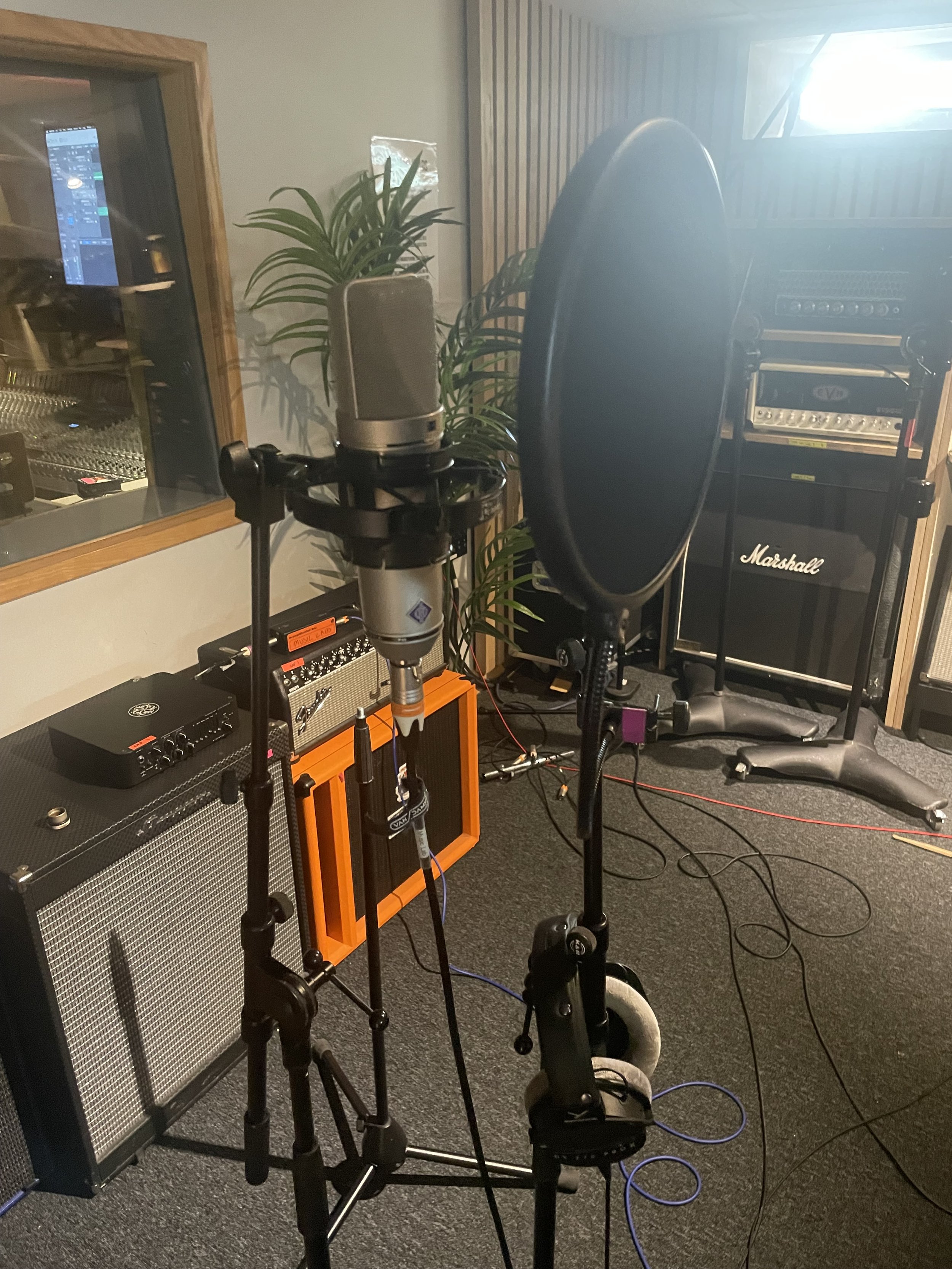
(Neumann U87 vocal recording set up)
(Guy Stuff synth recording session)
Mixing
Big Kid
Drums
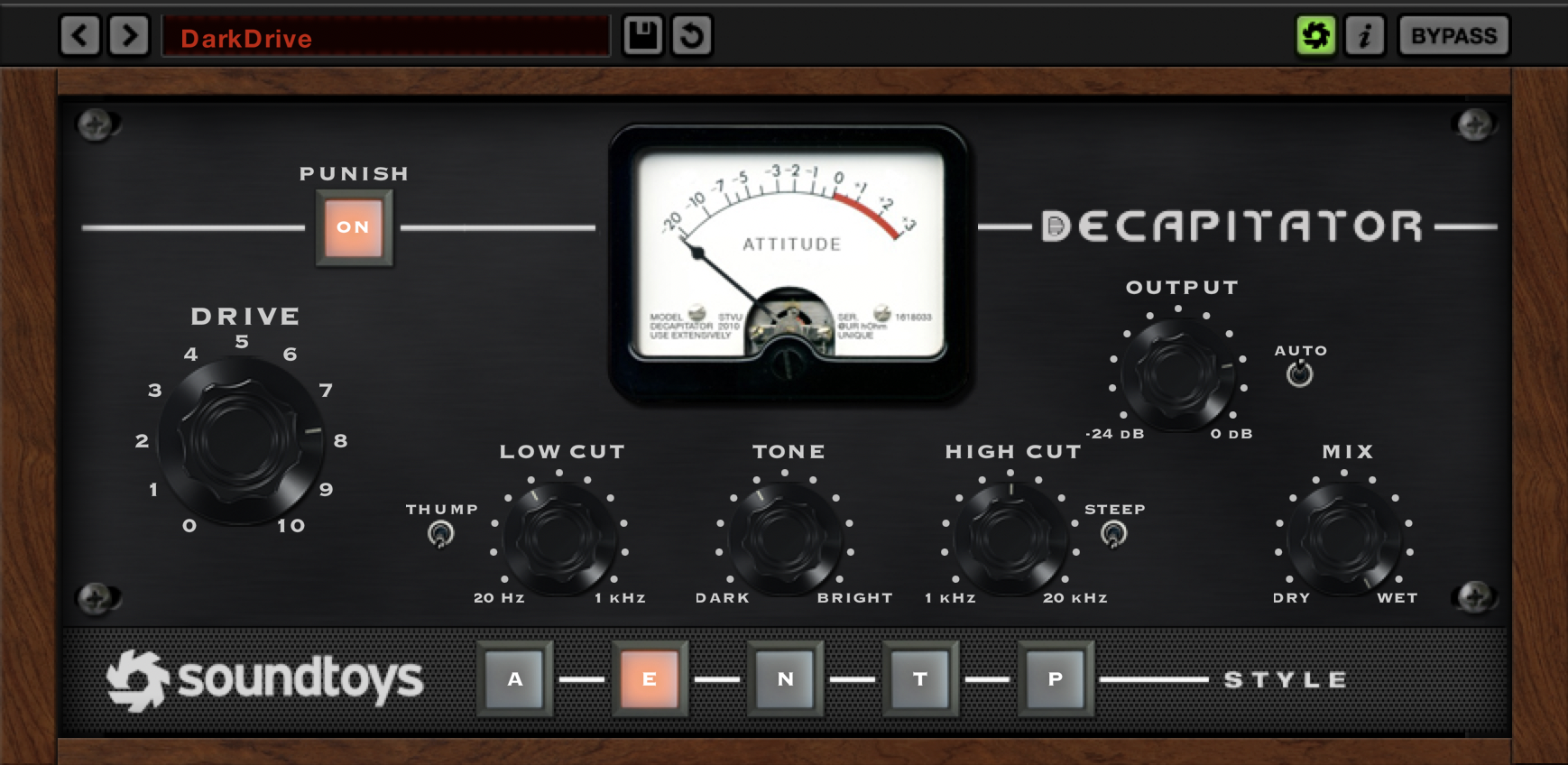
For the drums, I mixed the verses separately from the rest of the track, using only the kick close mics, snare top, and kit front mic. This gave the drums a really close sound. I used Soundtoys Decapitator on each of these, using different amounts of drive, as well as the low and high cuts, to EQ the sound of each mic.
I had to use Decapitator strategically, as it can become very harsh. However, the really crunchy drum sound it produced worked well in the chorus and gave it more of a sampled drum-machine feel.
I also cut up individual hits of the hi-hat, kick, and snare from the overheads to create a percussion loop. This gave the drums a groovier feel, as they were currently sounding a bit too straight and disjointed from the rhythm of Jules’s guitar.
In the chorus, I used all of the mics. I created a parallel compression bus and sent different amounts of each close mic to the compressor. I set the attack to the fastest setting and the release to 20ms. I achieved around -20dB of gain reduction to create a heavily compressed sound. This parallel compression bus helped the drums sound fat and provided a strong foundation for the song.
I again used Decapitator on the kick and snare. This allowed me to make them sound darker and fatter, while also adding saturation so they would still cut through the mix.
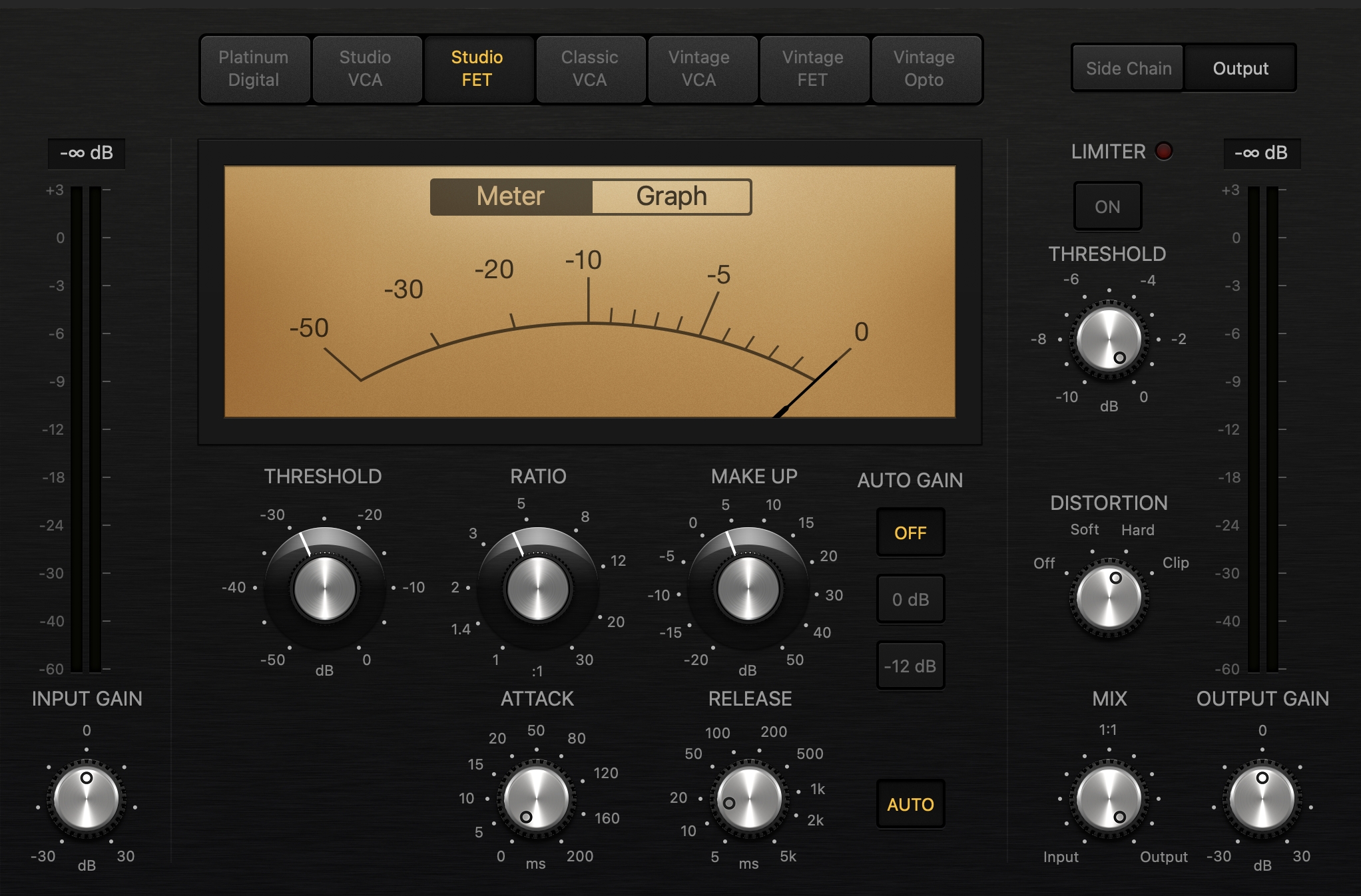
(Drum parallel compression)
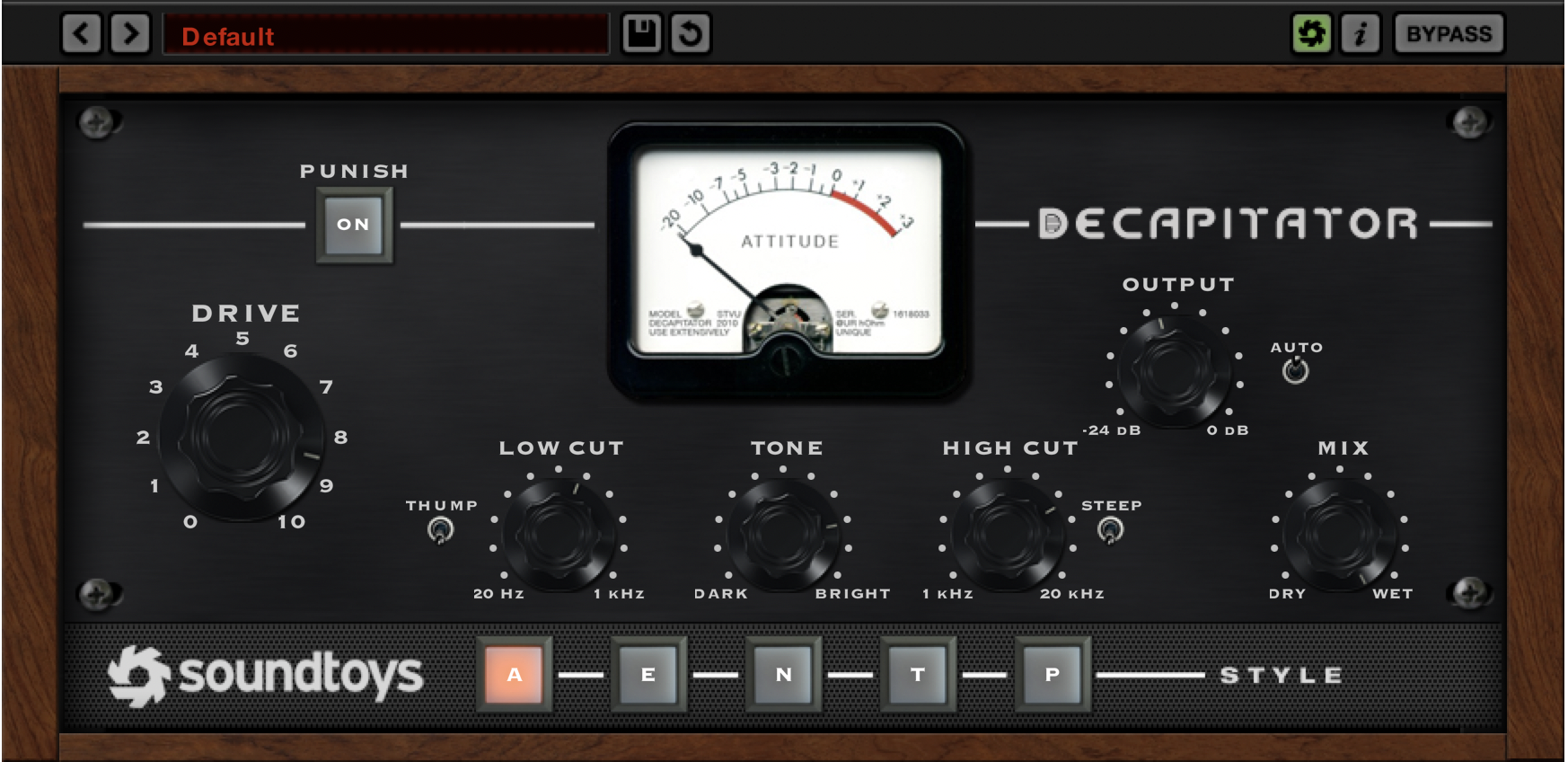
(Snare Decapitator)
I also gated the snare and kick, as Decapitator was emphasising the bleed from the hi-hat and cymbals. The more drive I added, the harsher the bleed became. The gate allowed the kick and snare to only play when they were hit, and gave the drums a punchier sound.
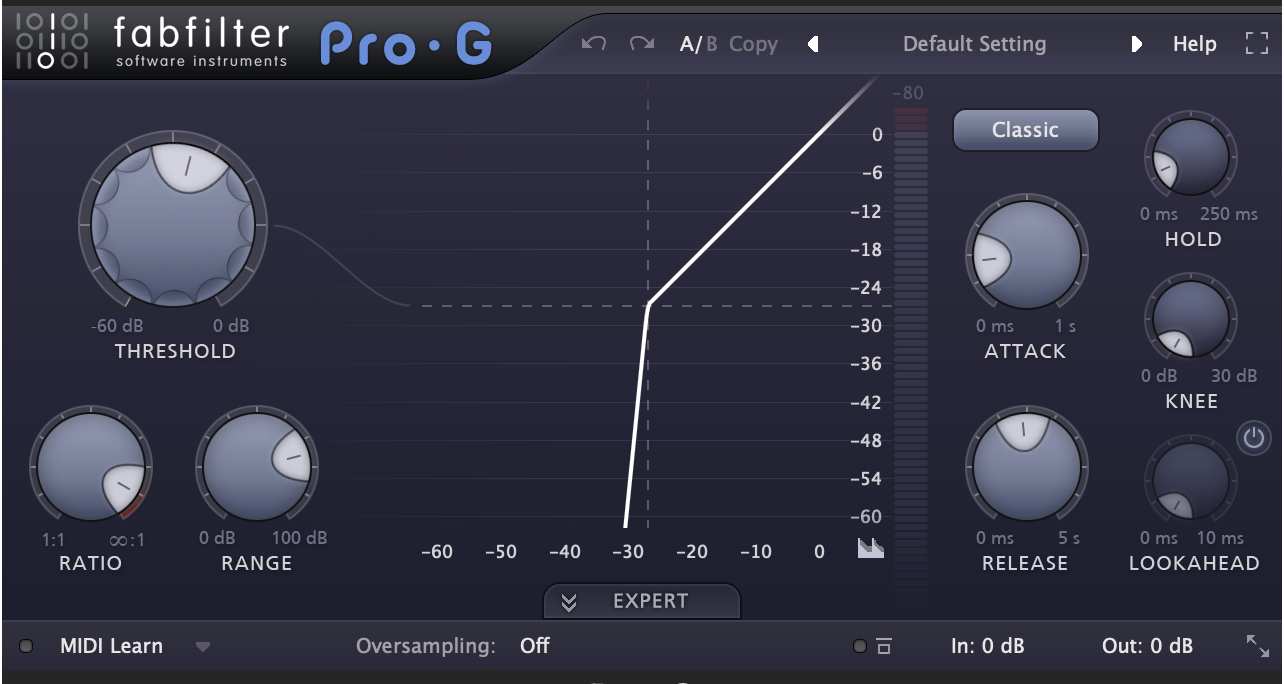
(Gate)
I wanted the drums to sound larger in the chorus. To achieve this, I created my own snare room sample from the drums we had recorded. I chopped up the snare top track and copied it. I used a transient designer to increase the attack of the snare, and then added a room reverb. After the reverb, I compressed it further and added Devil-Loc to make the snare sound more explosive. Blending this into the chorus really helped elevate its energy.
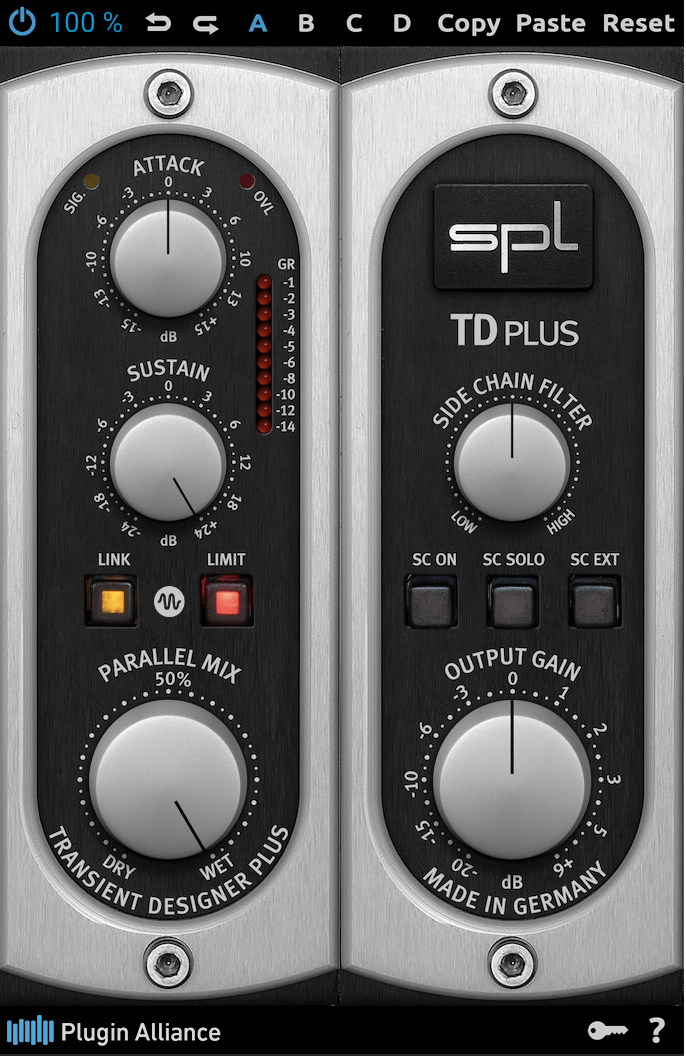
(Snare room SPL Transient Designer)
(Magnatone amp with OC818)
(Verse drums Decapitator)
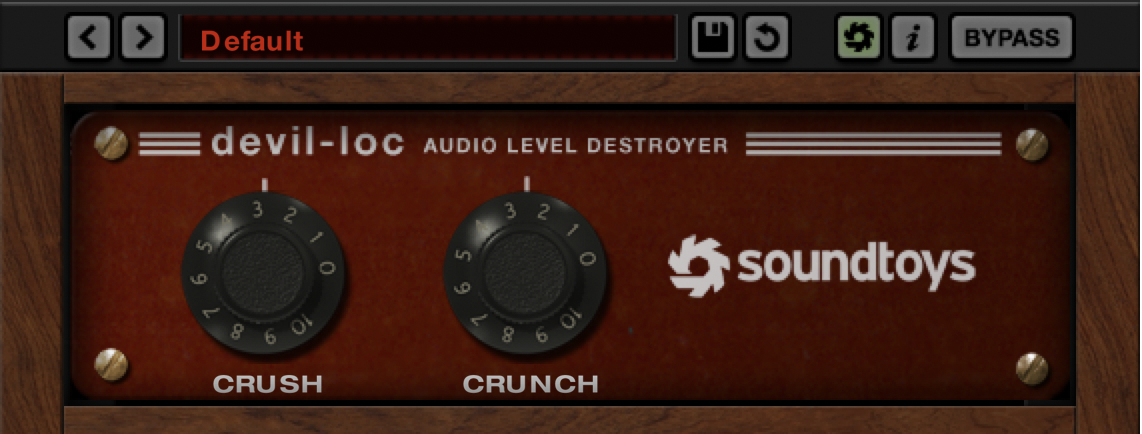
(Snare room Devil-Loc)
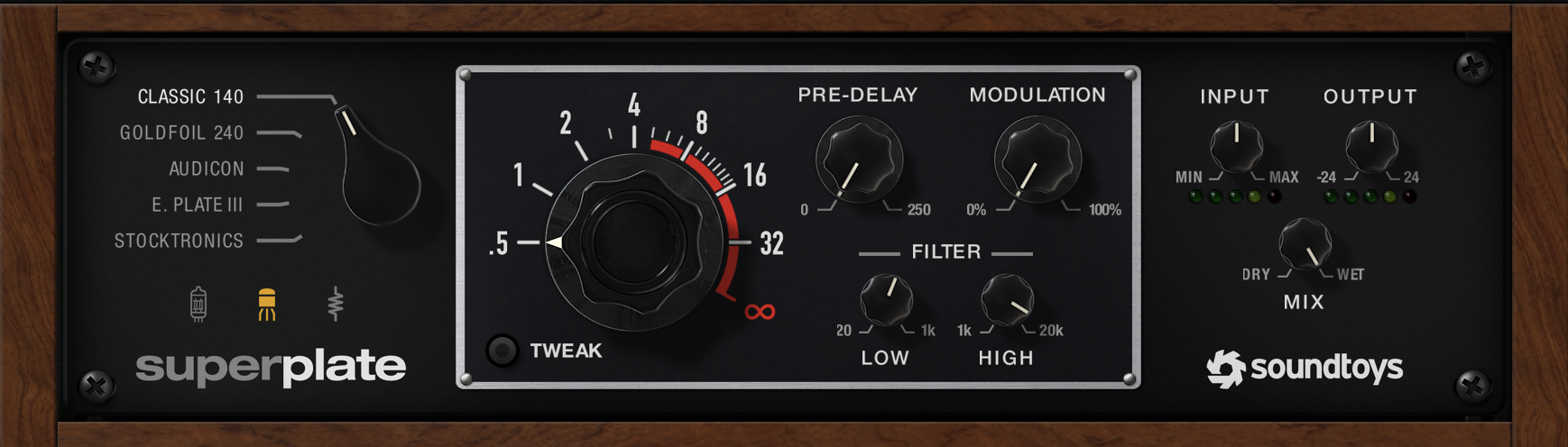
(Snare room reverb)
Bass
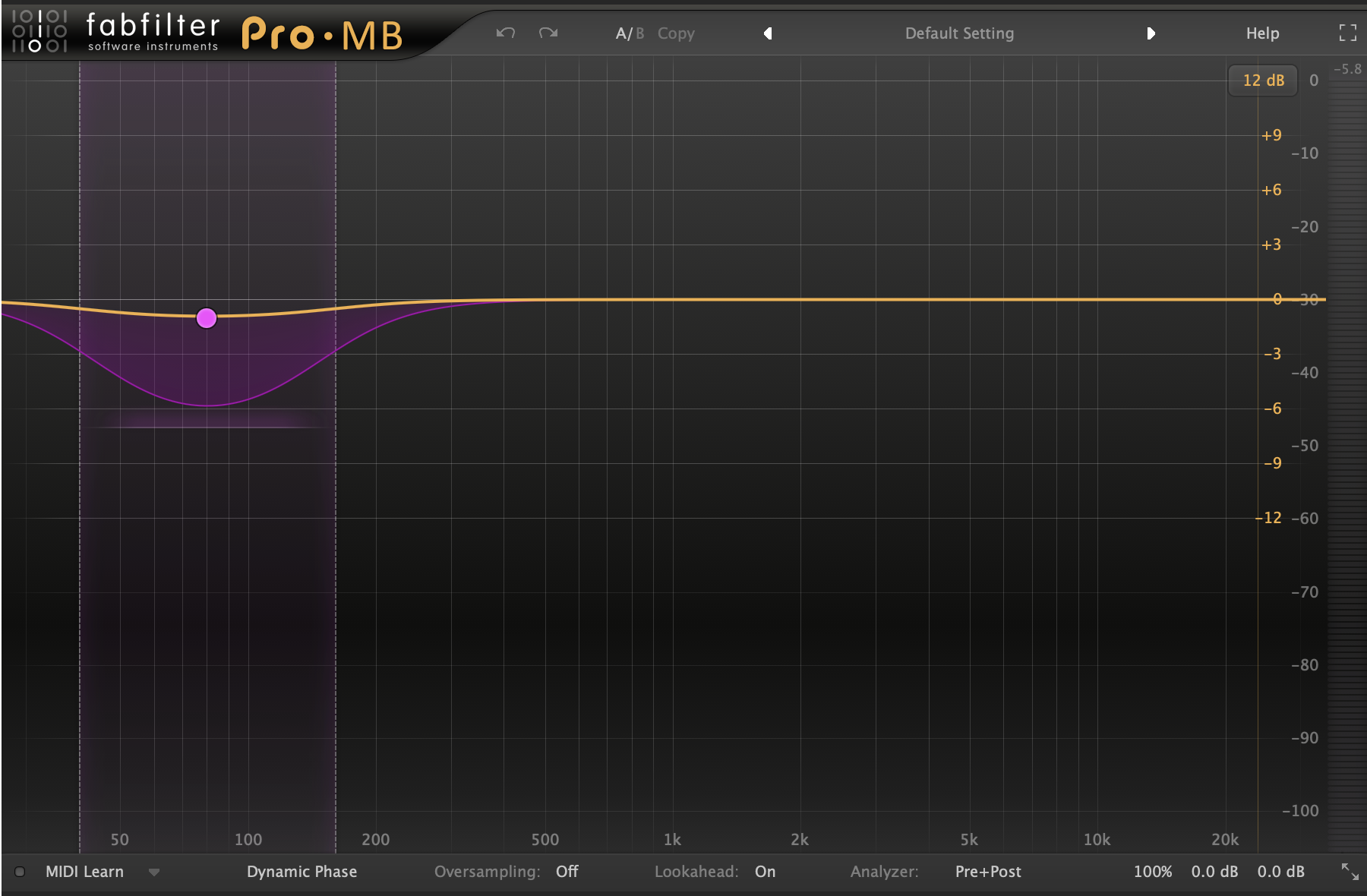
For the bass I was pretty happy with the sound we got in the studio. I only compressed the DI and mic as a whole to further glue them together and make the bass dynamics more consistent. I also used multiband compression, which I sidechained to the kick. This meant that whenever the kick hit, there was a small duck in the low-end of the bass, around 80Hz, and made space for the kick to come through clearer in the mix.
Guitars
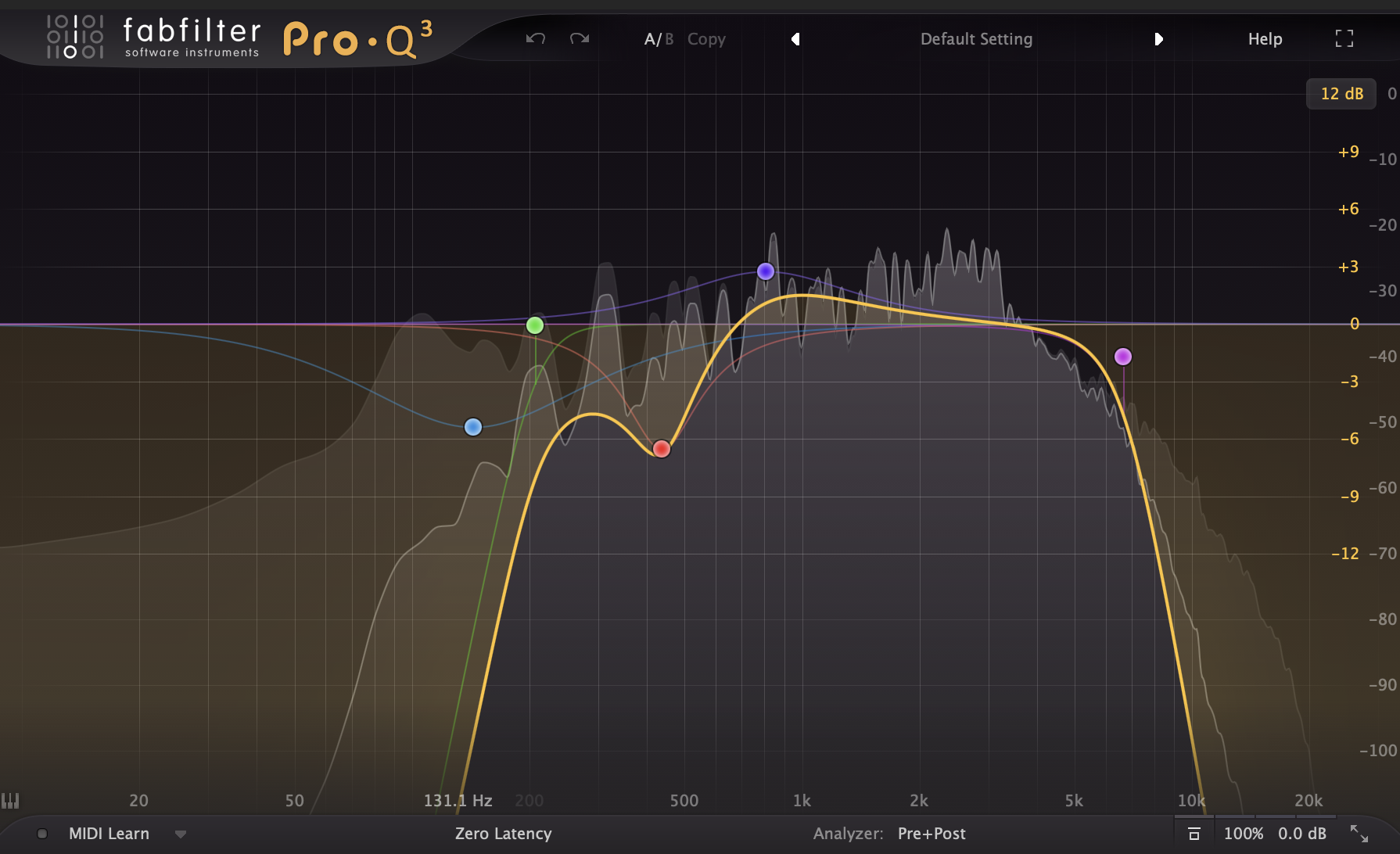
Fred's guitar tone was very low-mid heavy and became muddy within the arrangement. I cleared this up with EQ.
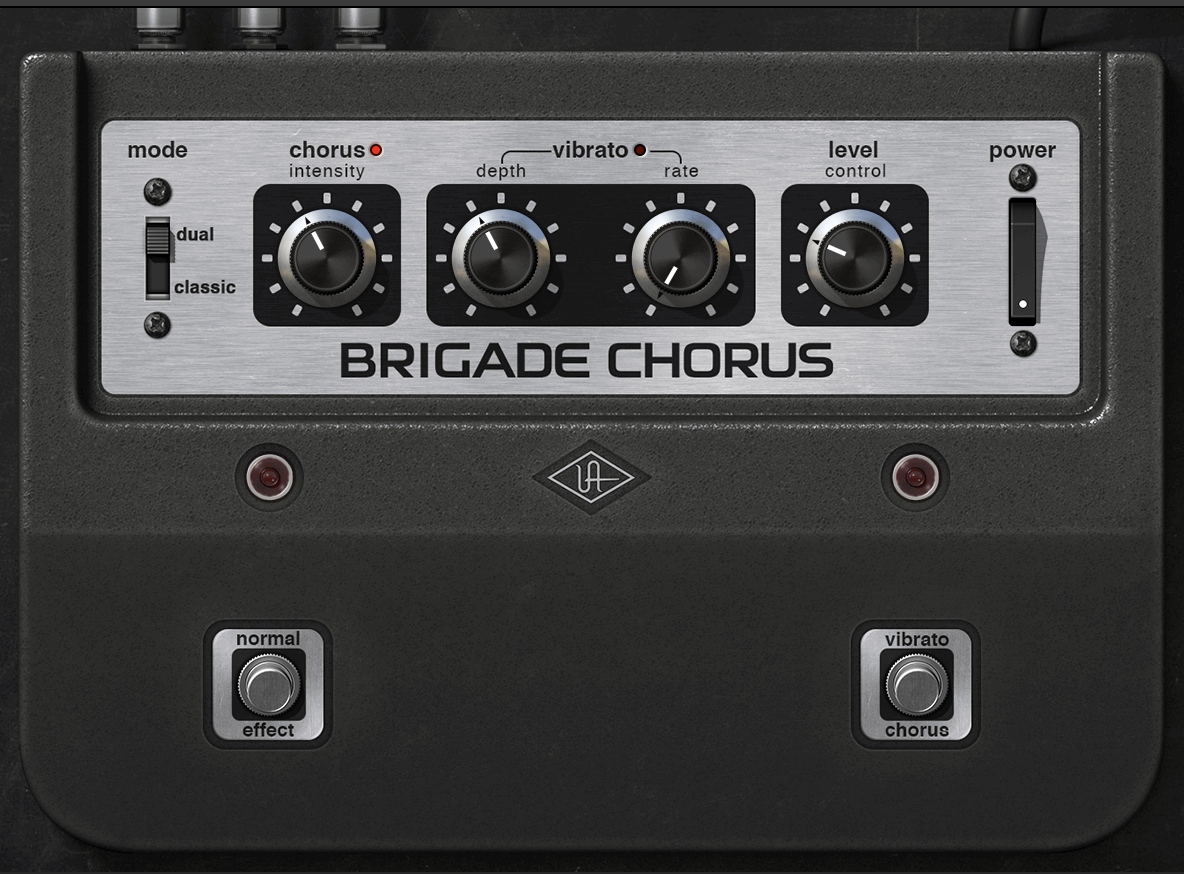
To create the chorus effect that I originally wanted from the Jazz Chorus I used UAD’s Brigade Chorus. I added this on an auxiliary channel so I could keep the dry guitar. I then blended the aux channel in until the guitar sounded thicker and had more movement. Finally, for his lead parts, I created pitch-shifted copies. Subtly blending these in helped the guitar cut through in the mix.
In the verse, I added a high and low-pass filter to Jules’s clean guitar. This gave the guitar a Lo-fi radio effect which made it more interesting and helped it sit better. I panned this hard left and then created a short delay channel, which I panned hard right so that it bounced back off the dry guitar.
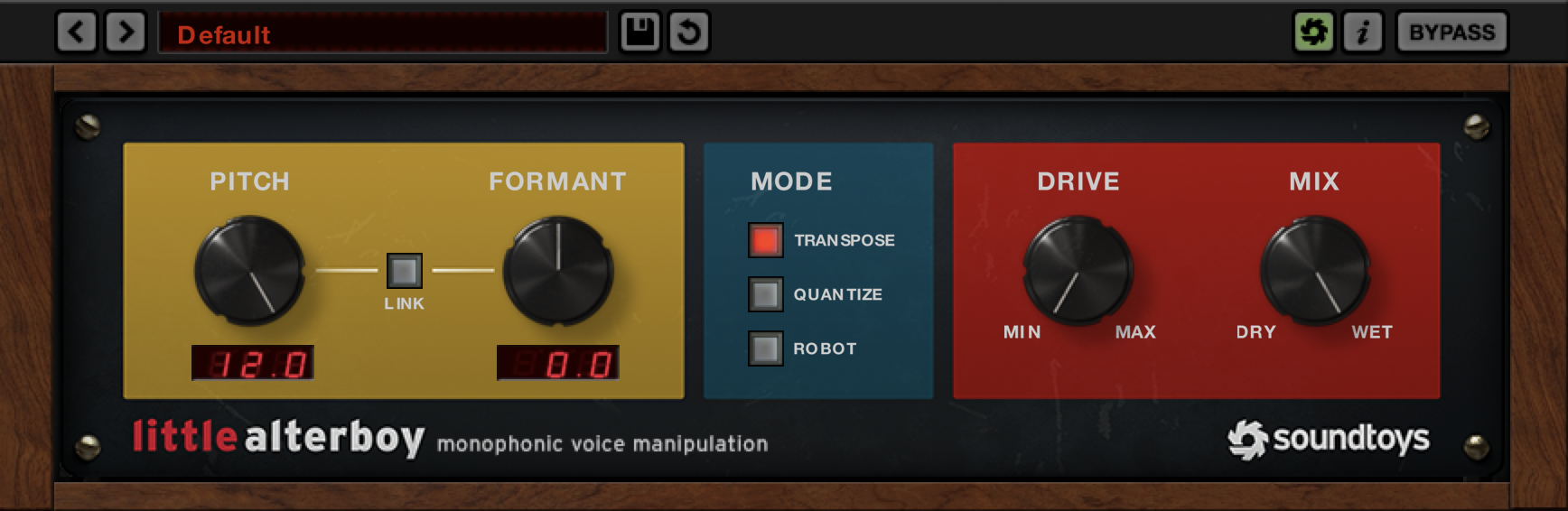
(Fred’s guitar +1 octave pitch shift)
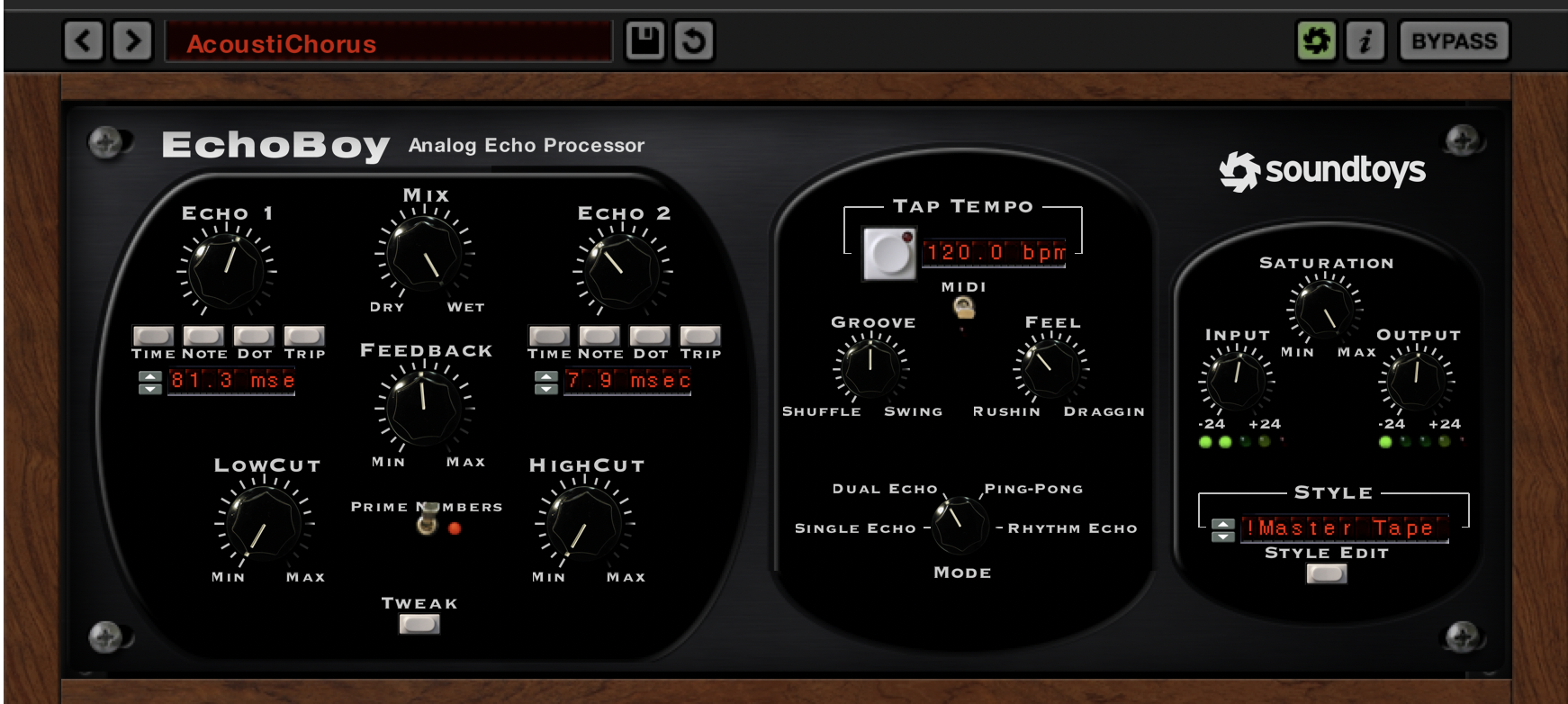
(Jule’s guitar delay )
I panned Fred and Jules on opposite sides from each other. This, coupled with the contrast in their parts and tone, added more width and left a lot of clear space in the centre for vocals. I also added a multiband compressor to both Jules and Fred’s guitars and sidechained them to the vocals. This ducked around 3kHz to create even more space for the vocal, so it was clear and the focus of the mix.
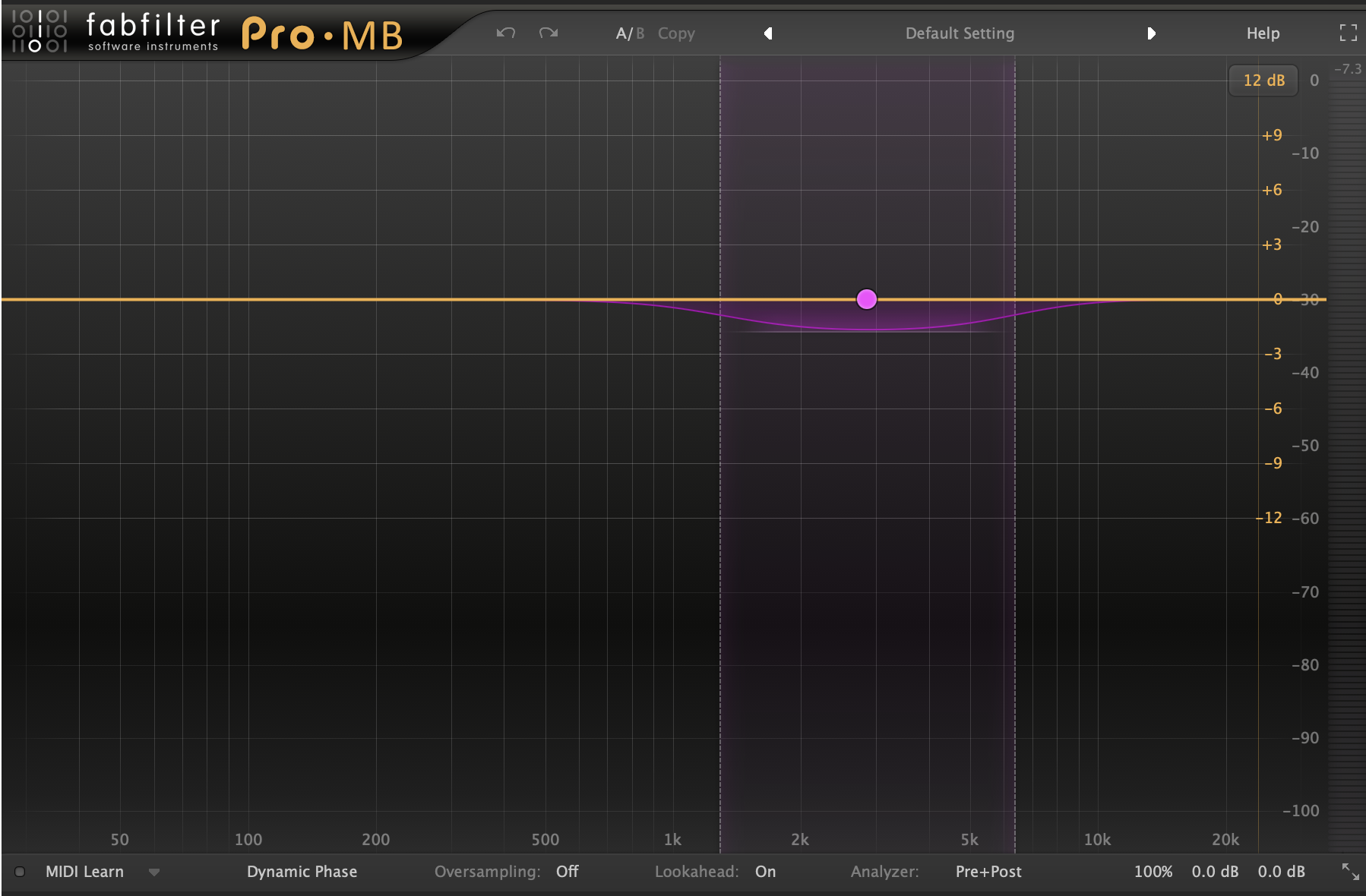
(Guitar multi-band compression )
Vocals
The vocal hook is important in this song, so it needed to be clear. I wanted it gritty, but also wanted to keep a loud Pop sound so it sat up front in the mix.
Jules's singing contains a lot of wet mouth noises and clicks. Prior to mixing, I used iZotope RX to remove these. It makes vocal mixing easier and improves the sound of the vocal performance significantly.
I EQ’d the vocals to remove the muddy low-end frequencies, and used a de-esser to reduce sibilance. I then added a clipper, to achieve a louder perceived vocal. With a Pro-C set similar to what we tracked with, I levelled out the dynamics of the vocal and made it more punchy.
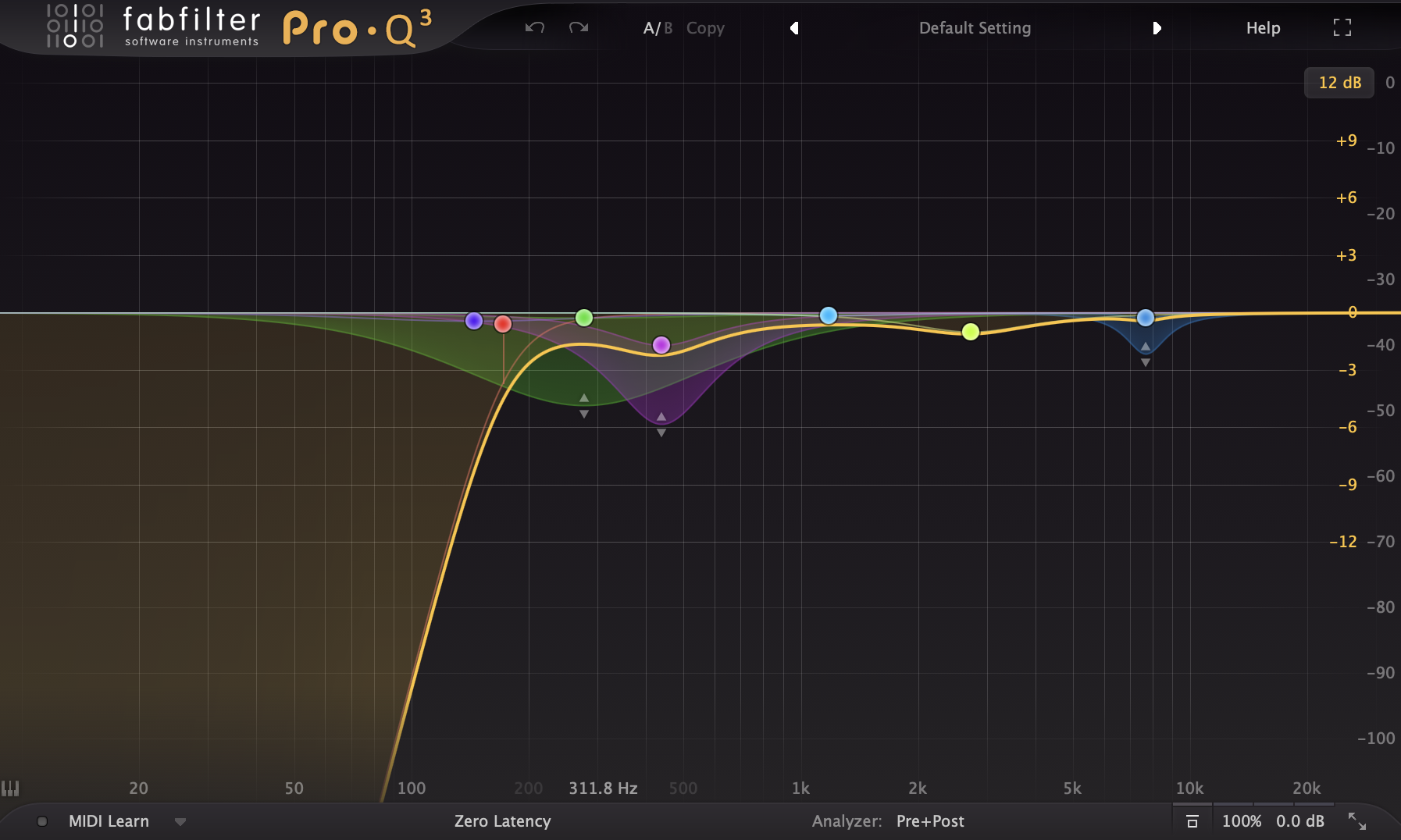
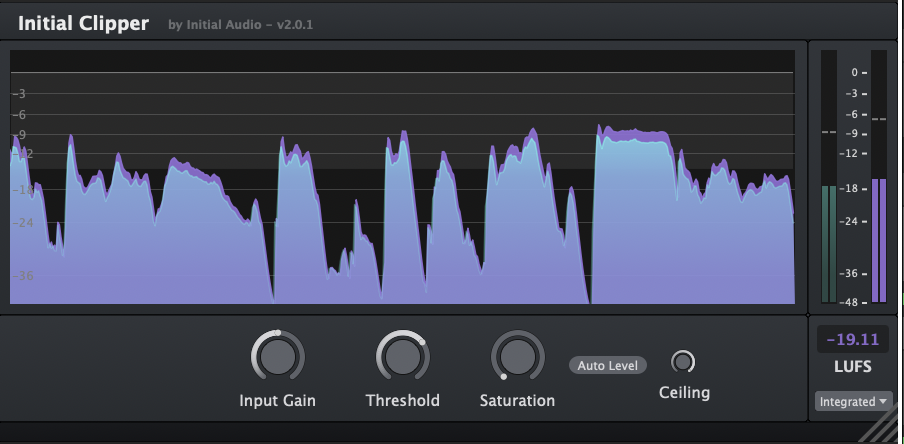
(Kick drum gate)
(UAD Fairchild compressor on bass group )
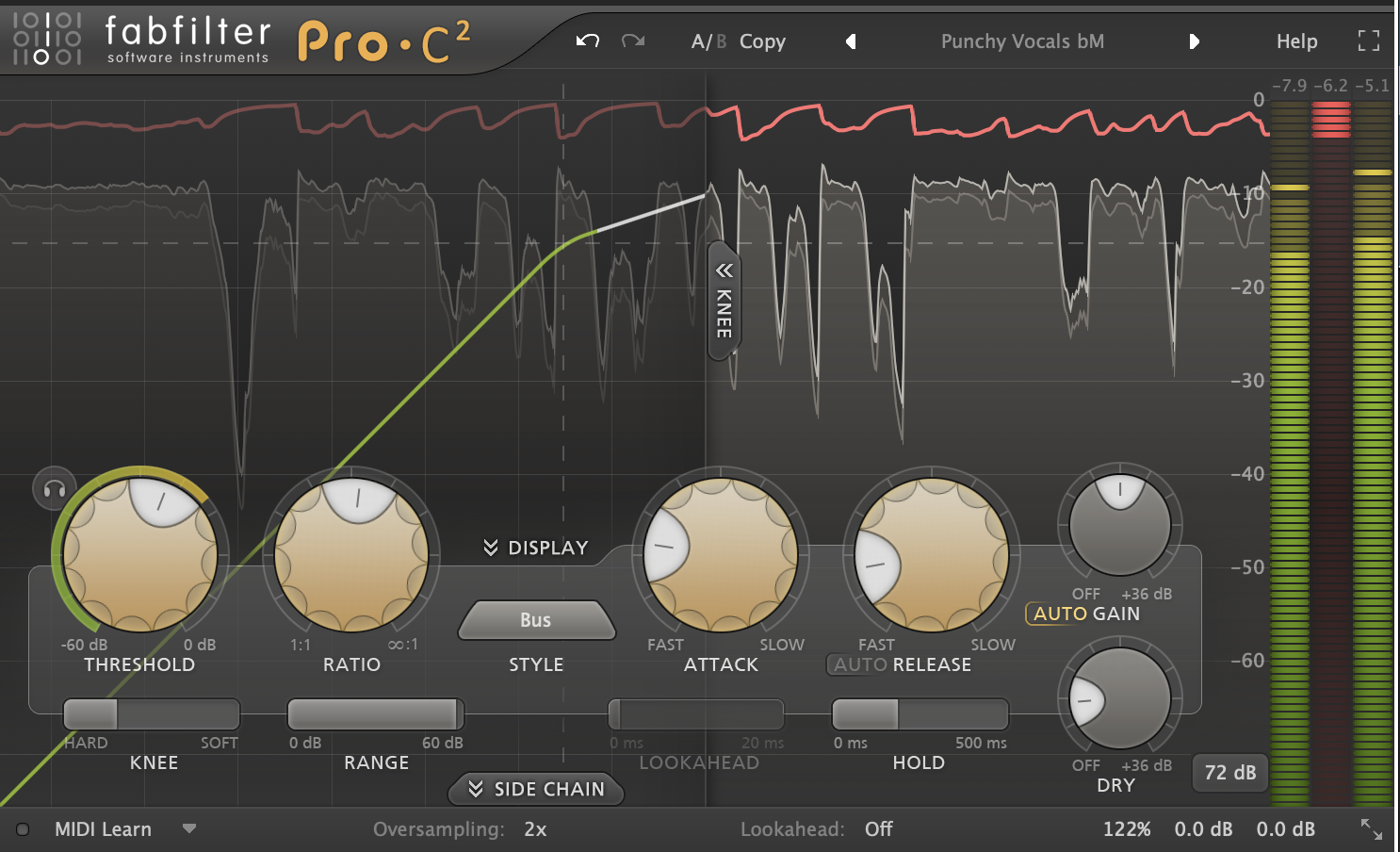
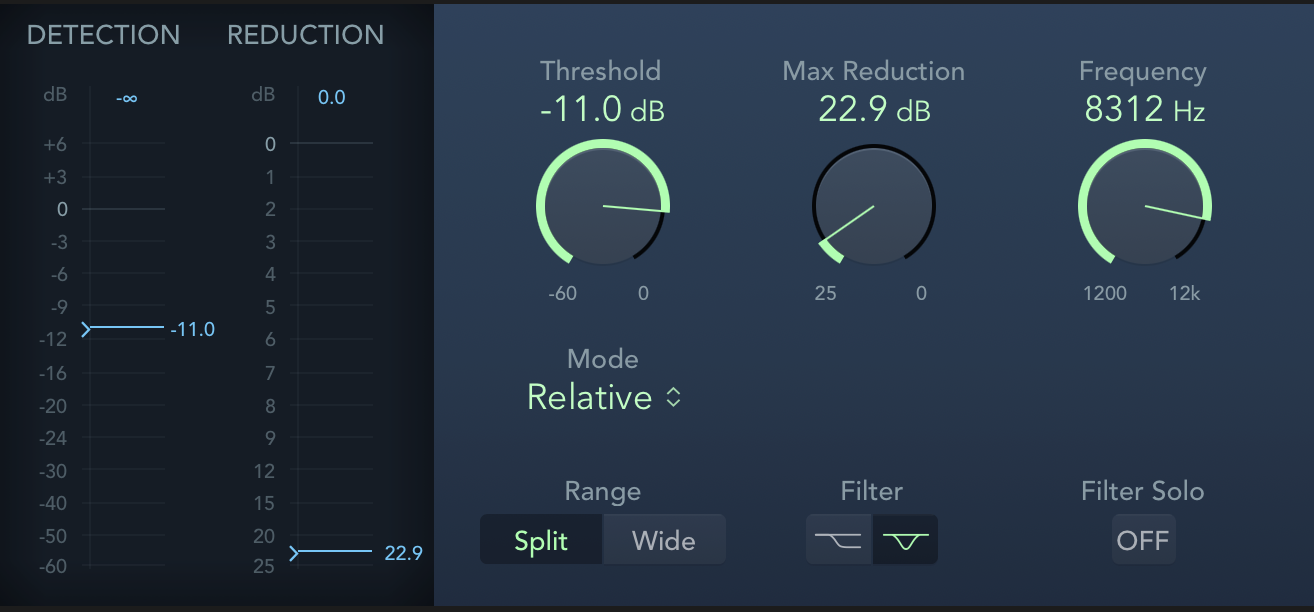
(Lead vocal De-Esser )
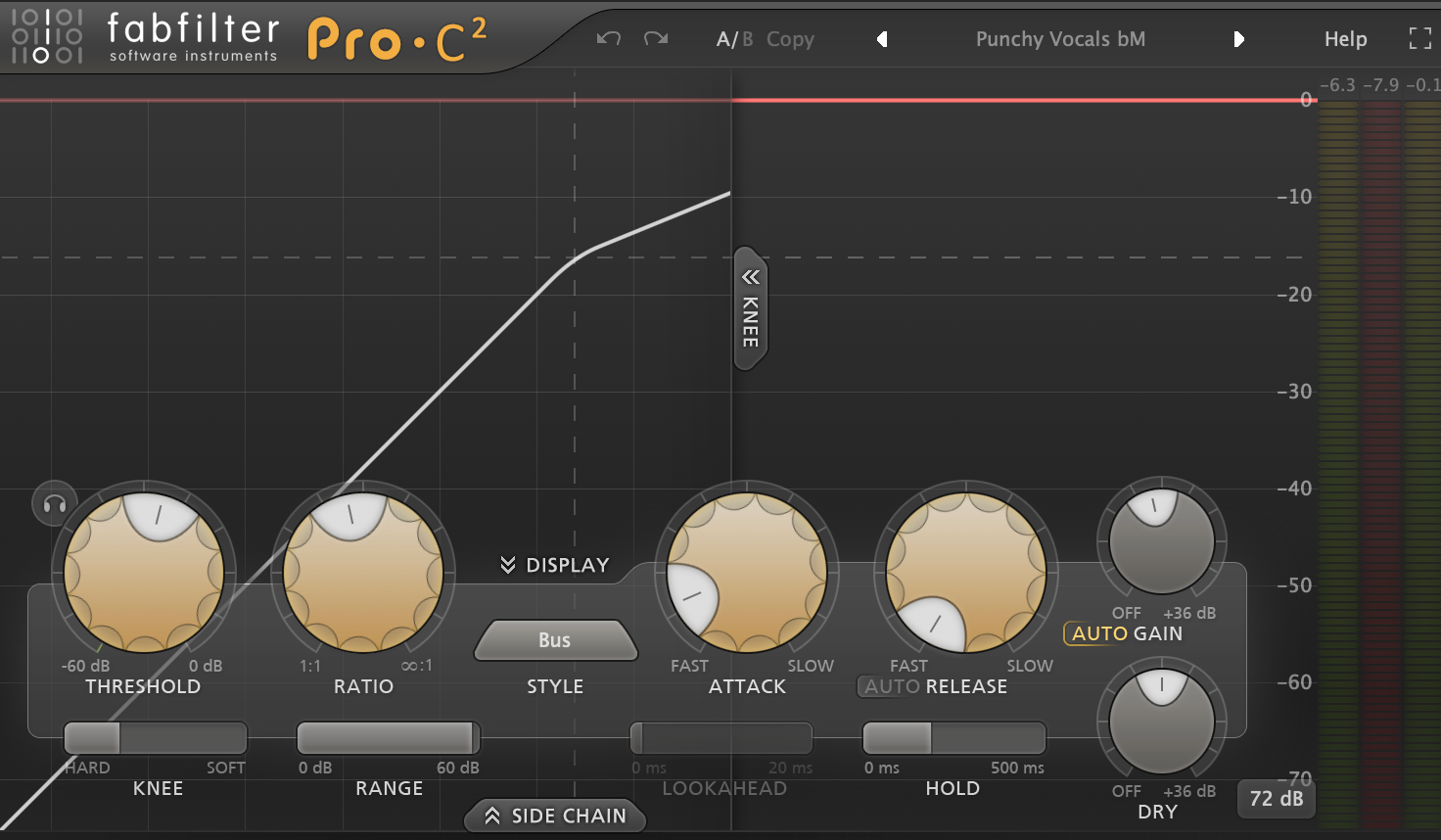
(Lead vocal compression)
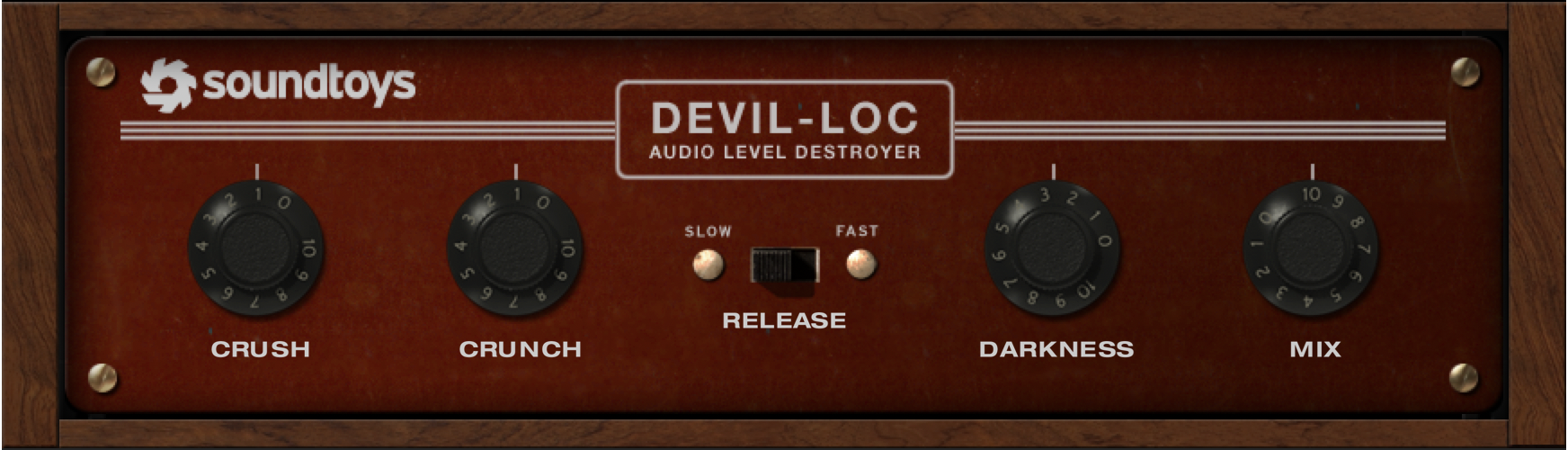
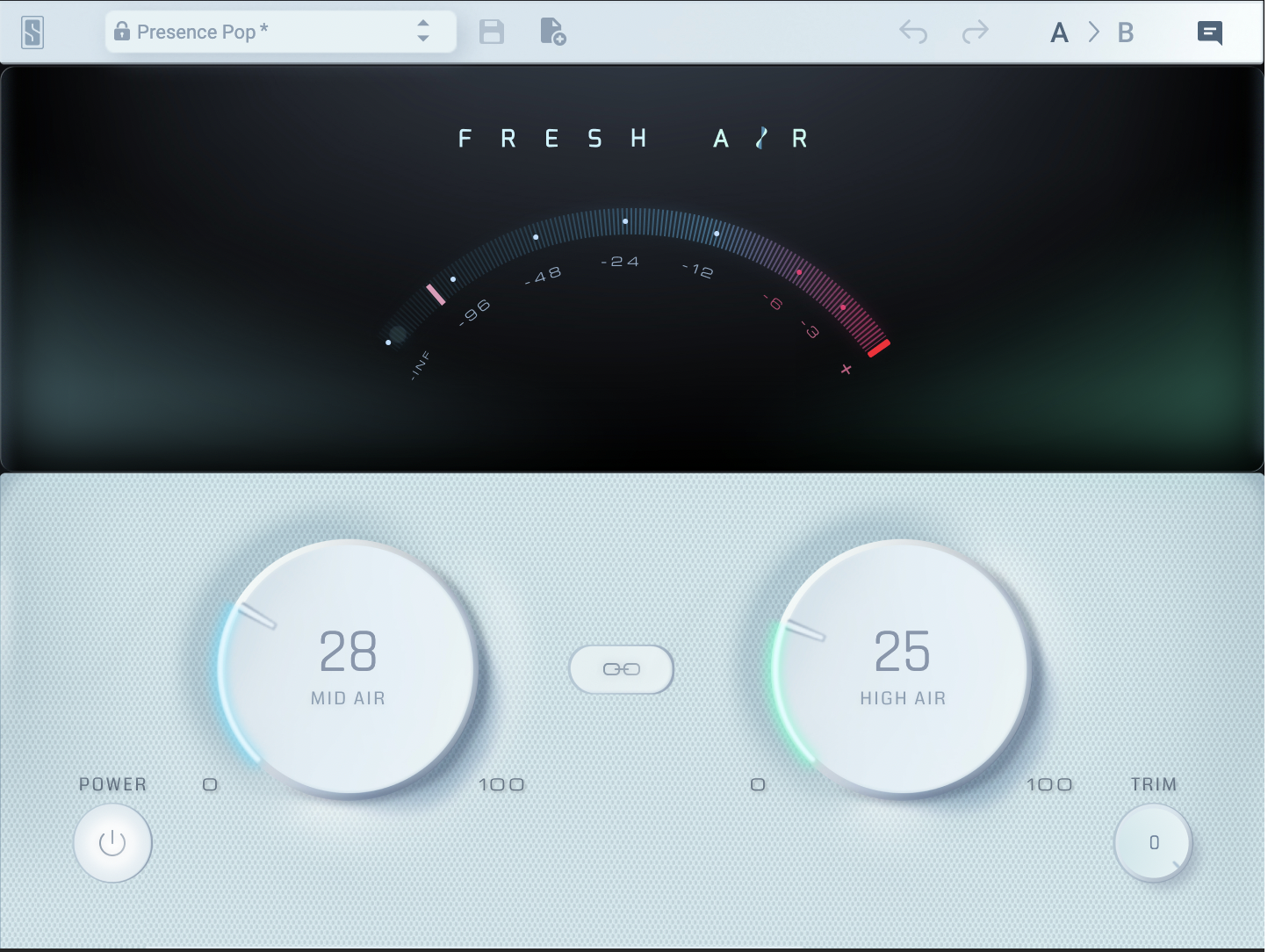
Next, I used a plug-in called Fresh Air, which adds high-end “air”. This brought back a more breathy and natural sound, and clarity, after the compression. I then used Devil-Loc for some drive and to add further punch. Finally, I EQ’d the vocals further to tame any harsh frequencies and muddy low-end introduced by the Devil-Loc.
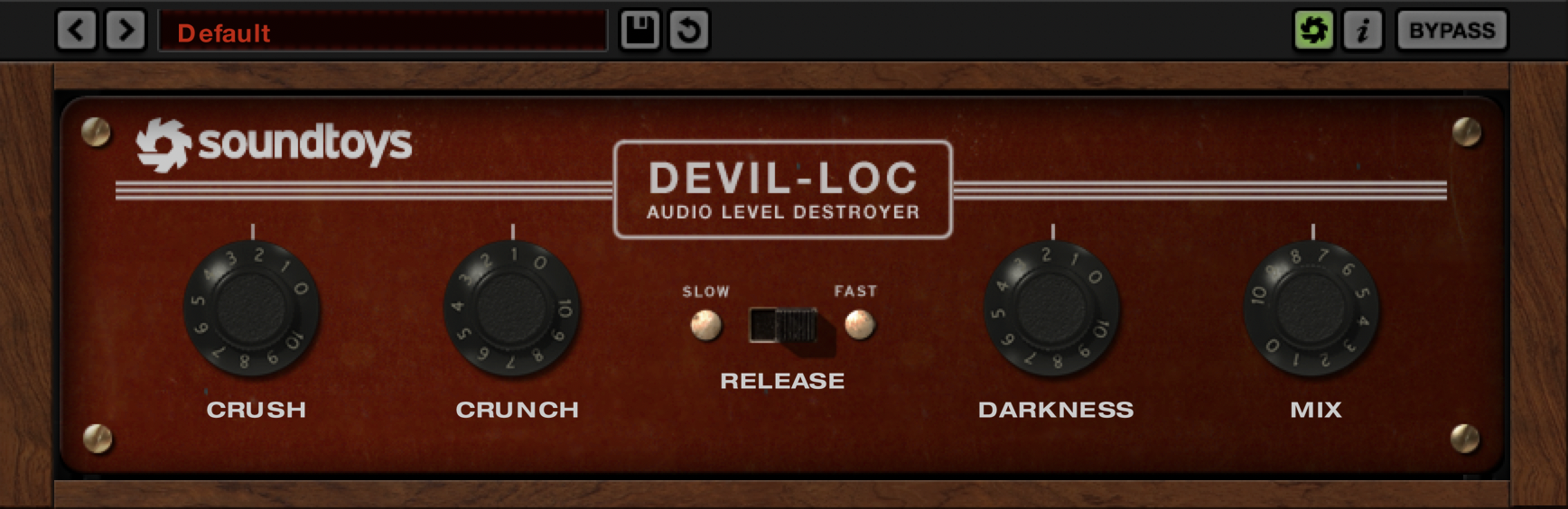
(Devil-Loc on lead vocal)
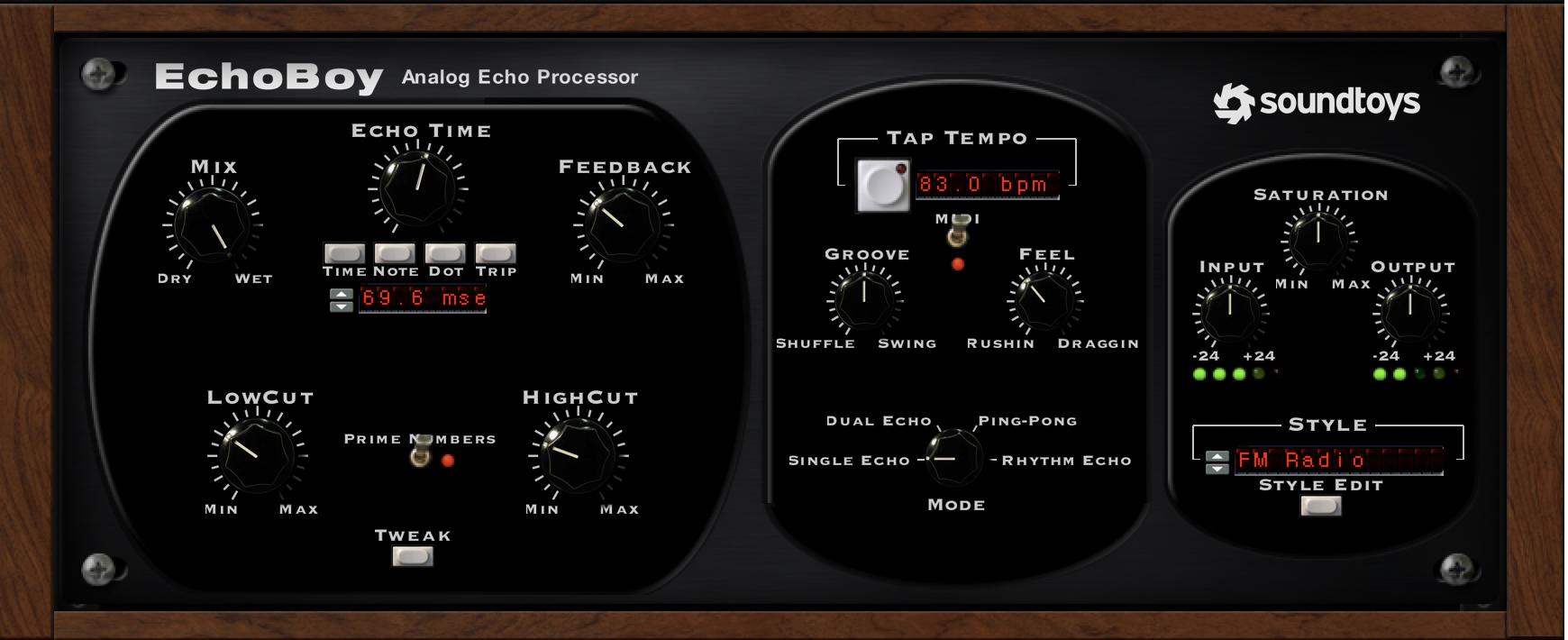
To allow the vocal to sit better, especially in the larger-sounding chorus arrangements, I added a slapback and an explosive reverb on auxiliary channels.
I chopped up the backing vocals so that they were kept tight with the lead vocal. This made the vocals harder-hitting throughout the song.
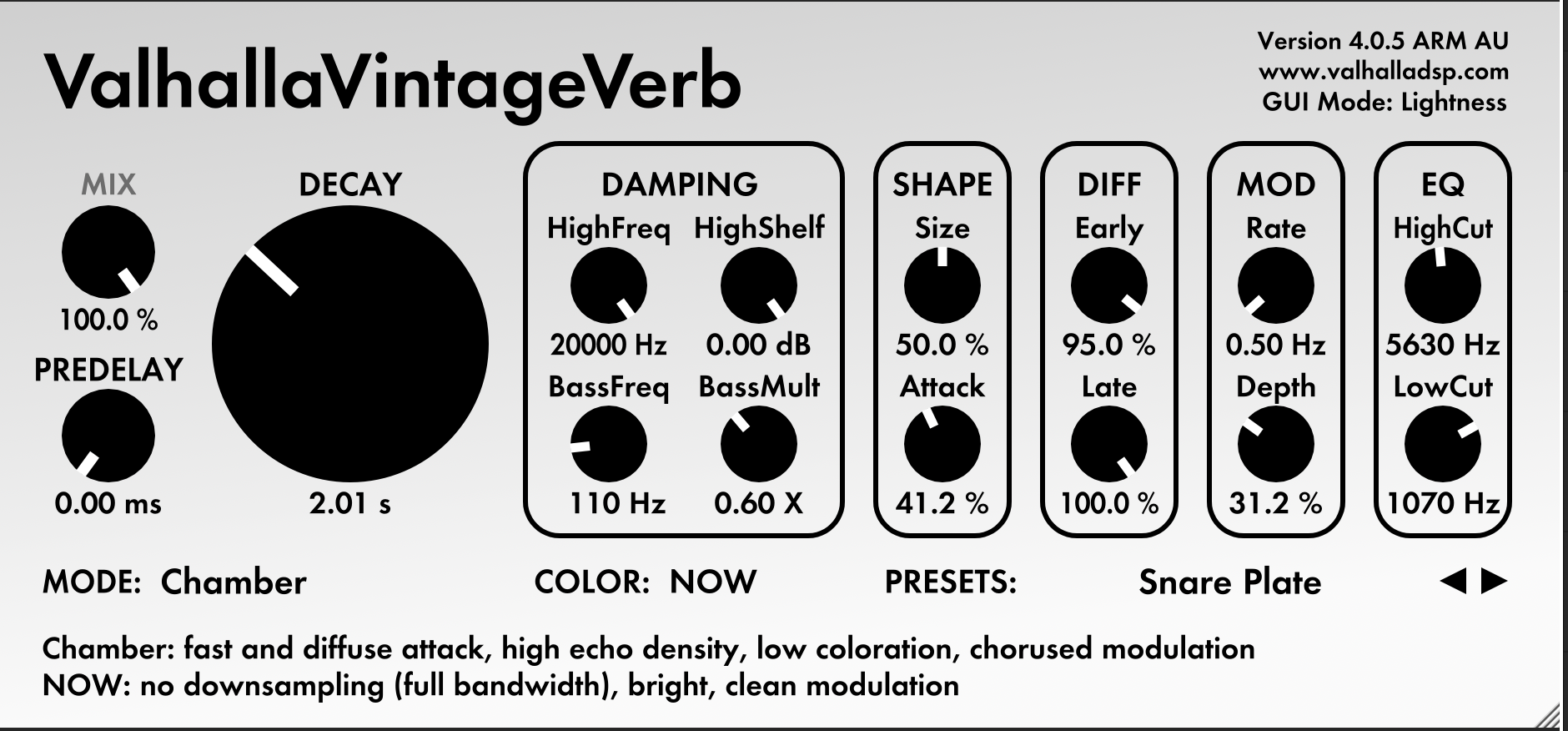
(Lead vocal reverb)
Guy Stuff
Drums
There seemed to be less mixing required for drums on this song. This was due to getting good sounds at source during the recording session. In terms of the vibe and compression on the mics, I feel I nailed it.
I did some small timing adjustments for the intro, as the fast kick pattern needed to be consistent. It's the main focus of the intro and any slightly rushed beats made the song sound sloppy. I simply made cuts at the rushed or dragged beats and moved accordingly. I then created fades between cuts for a clean edit.
I hadn't dampened the kick enough for the recording. It had a lot of boom, and a long sustain. In post, I played about with the attack and release on a gate to shorten the kicks sustain. There were also a few false hits on the kick. The gate took care of any short ones, but I had to manually cut out the louder ones. A clean kick drum track made the drums sound tight, confident, and driving. I am really happy with the consistency on the kick drum in this song, especially as it is all real and no samples had to be used.
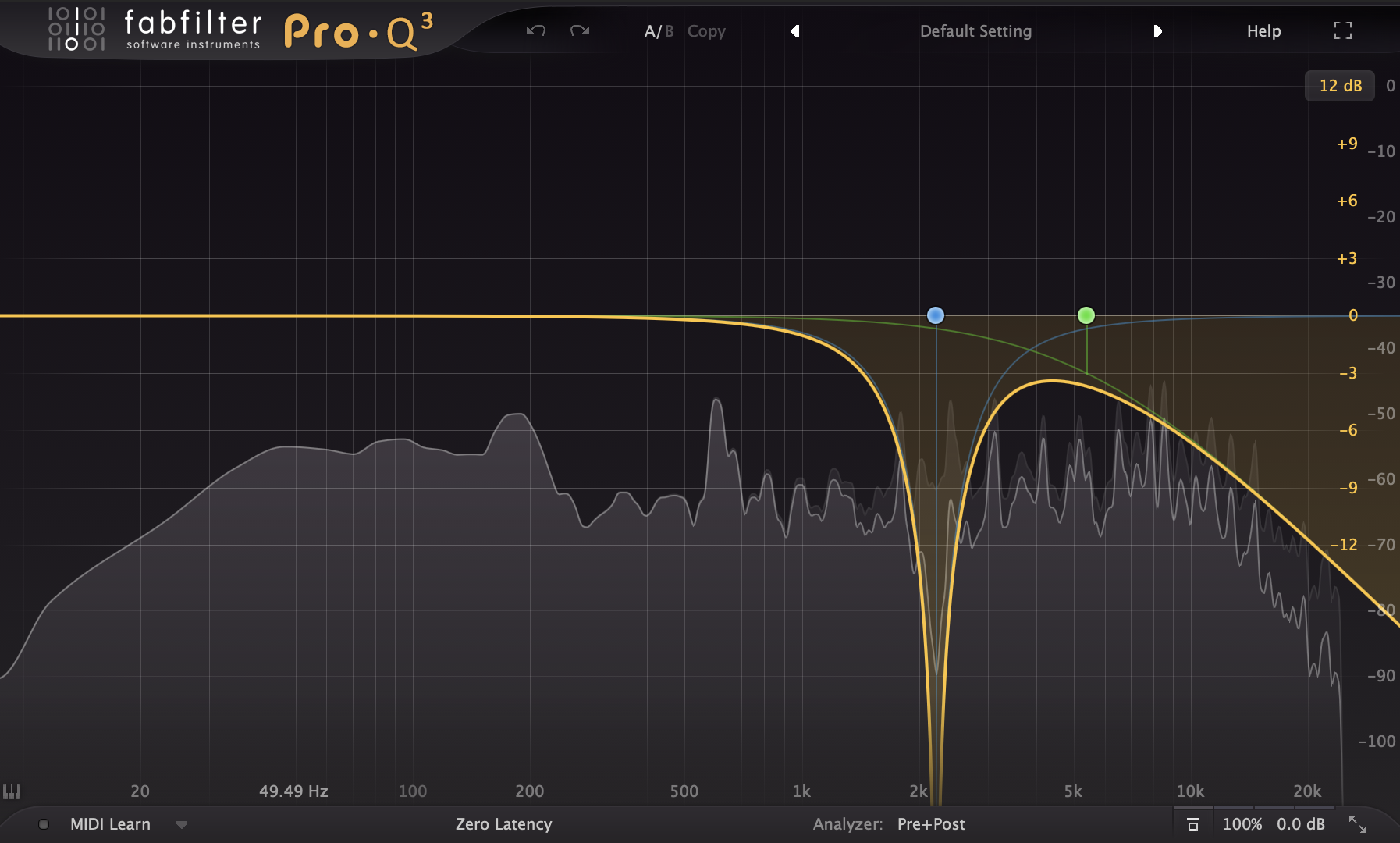
I created a parallel compression bus using Devil-Loc. This added aggression and strength to the drums. It also made them sound pretty mental during the loudest sections of the songs. The Devil-Loc introduced unwanted harsh high-end, so I had to use the ‘darkness’ control to find a good balance. I also created a large cut on one of the room mics, around 2-3kHz, as that was also creating a lot of harsh cymbal noise. I wanted the effect of loud trashy drums, but not the harshness.
(Room mic cymbal EQ )
I was unsure of the cowbell at first. It sounded too far back. I considered adding a cowbell sample, to make it closer and obnoxious. However, over time we all grew to like it where it was, and kept it. It added another imperfect element to the song.
Bass
I made a few timing adjustments to make the bass and drums really tight.
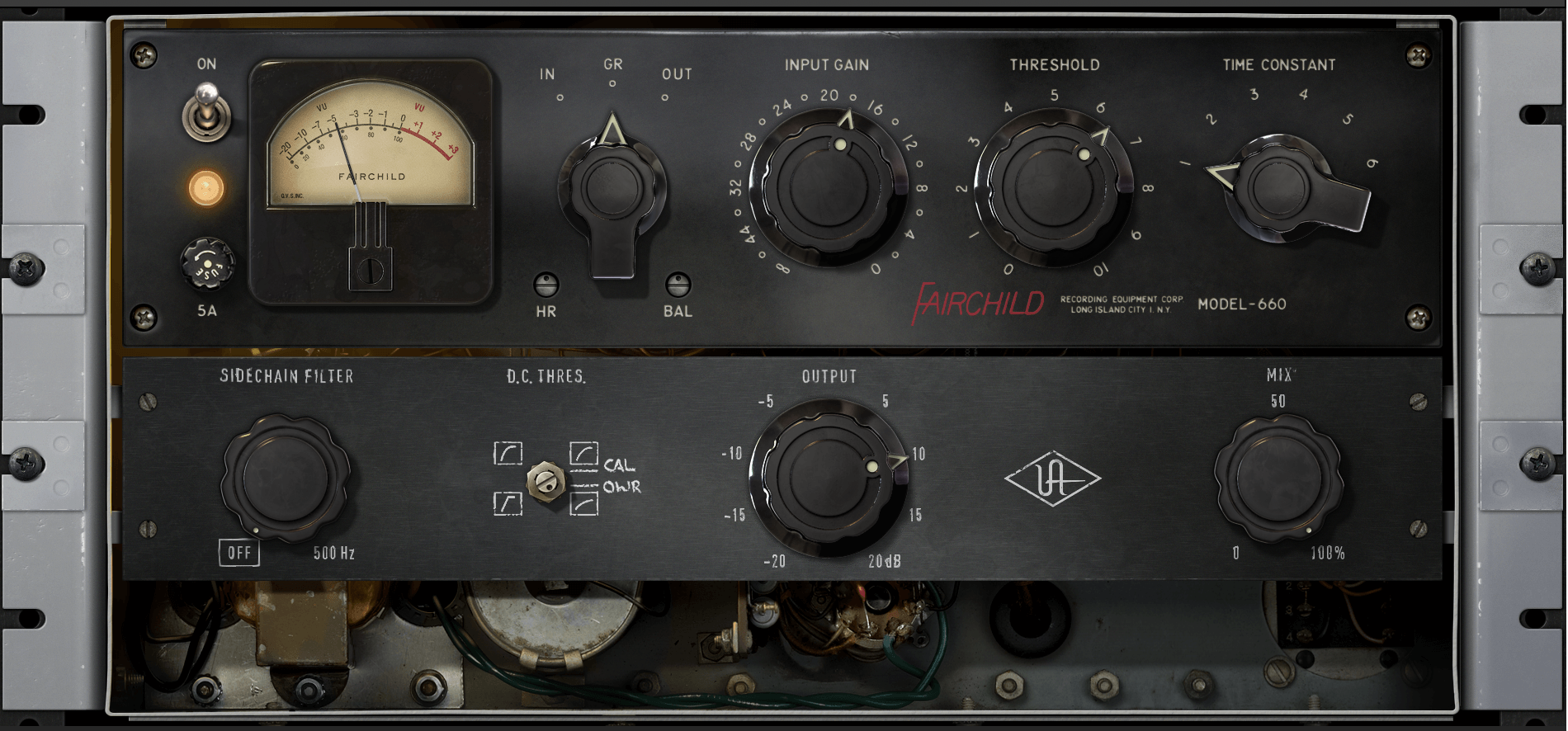
I compressed the DI channel to enhance the pick attack, and compressed the amp channel to make the bass feel punchier. I then blended the two channels together and once I had a full bass tone, I gently compressed them as a group with a UAD Fairchild compressor. This glued the two bass tracks together.
Guitar
To make Jules’s guitar clearer in the mix, I cut the muddy low-end around 100hHz. I also added a chorus to give the guitar some movement and a more interesting sound.
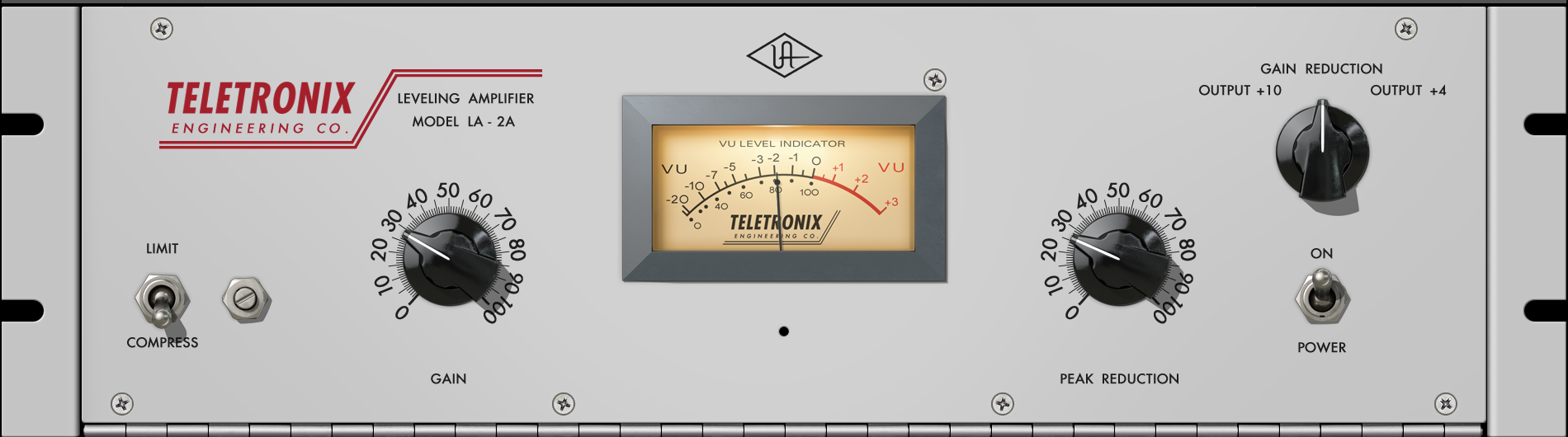
For Fred's guitar I used an LA-2A compressor to smooth out the dynamics and make it sound closer. I cleaned up the low-mids and boosted around 1-2kHz to help his guitar cut through more in the mix.
I panned Fred and Jules guitars on opposite sides, making the guitars sound really wide. This left space for the bass, kick and vocals to sit directly in the centre without competition.
(Jules’s guitar low-end EQ)
(Fred guitar EQ)
Vocals
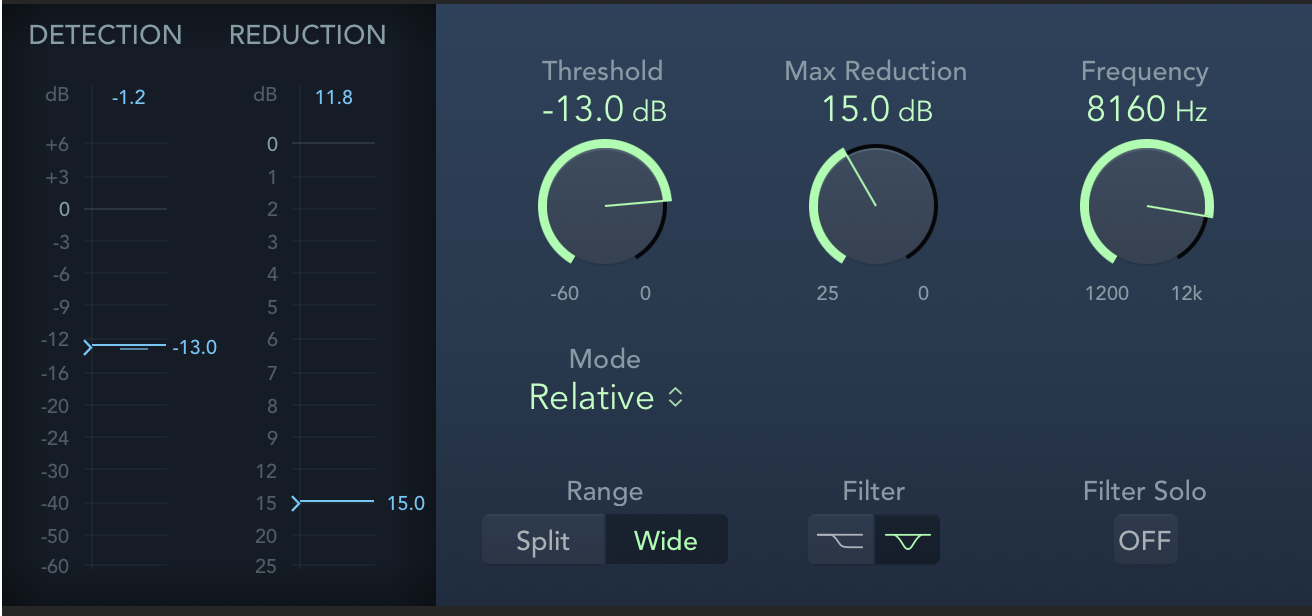
I feel that I did well with the compression, on the way in, during this recording. The vocal’s rhythm plays a big part in this song, and I brought out the percussive elements of it using a Pro-C. The side effect of this were some big plosives, which I reduced with dynamic EQ. I De-Essed to control harsh sibilance, and added distortion using Decapitator. This made the vocal sound boxy, so I had to EQ again to reduce this.
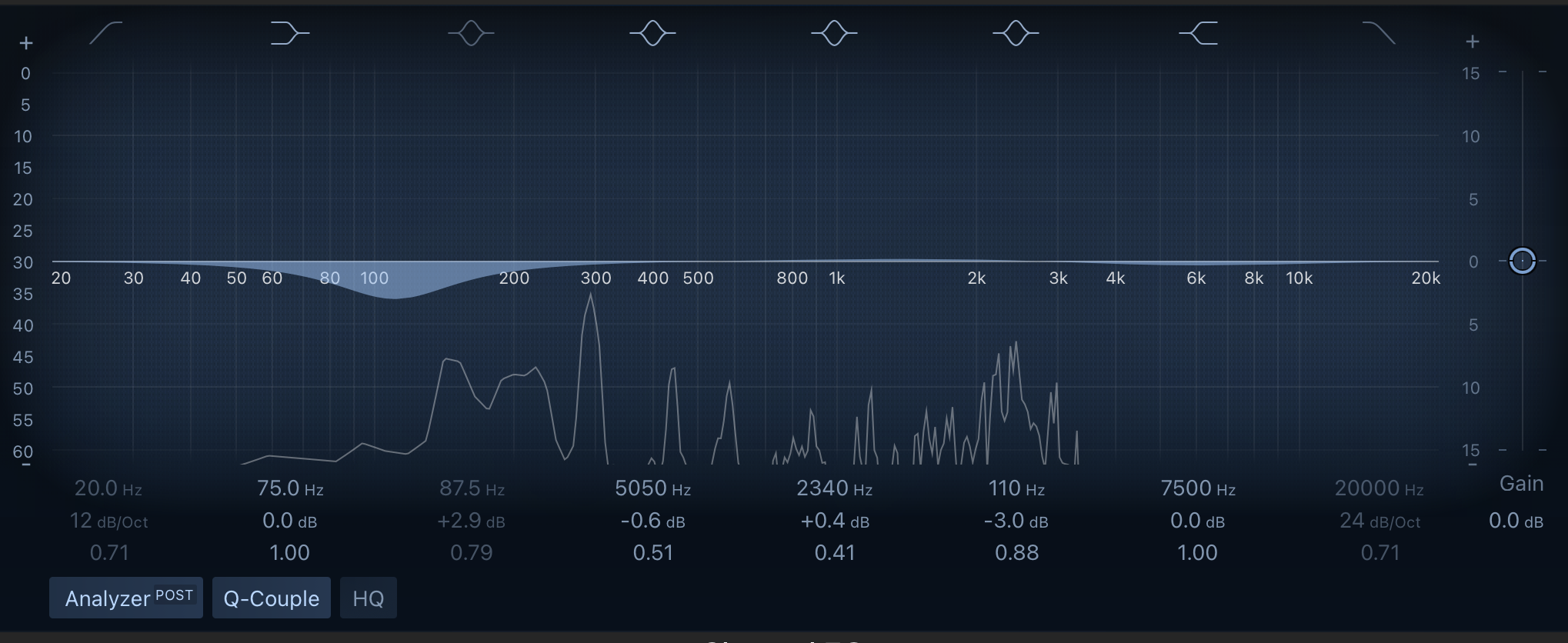
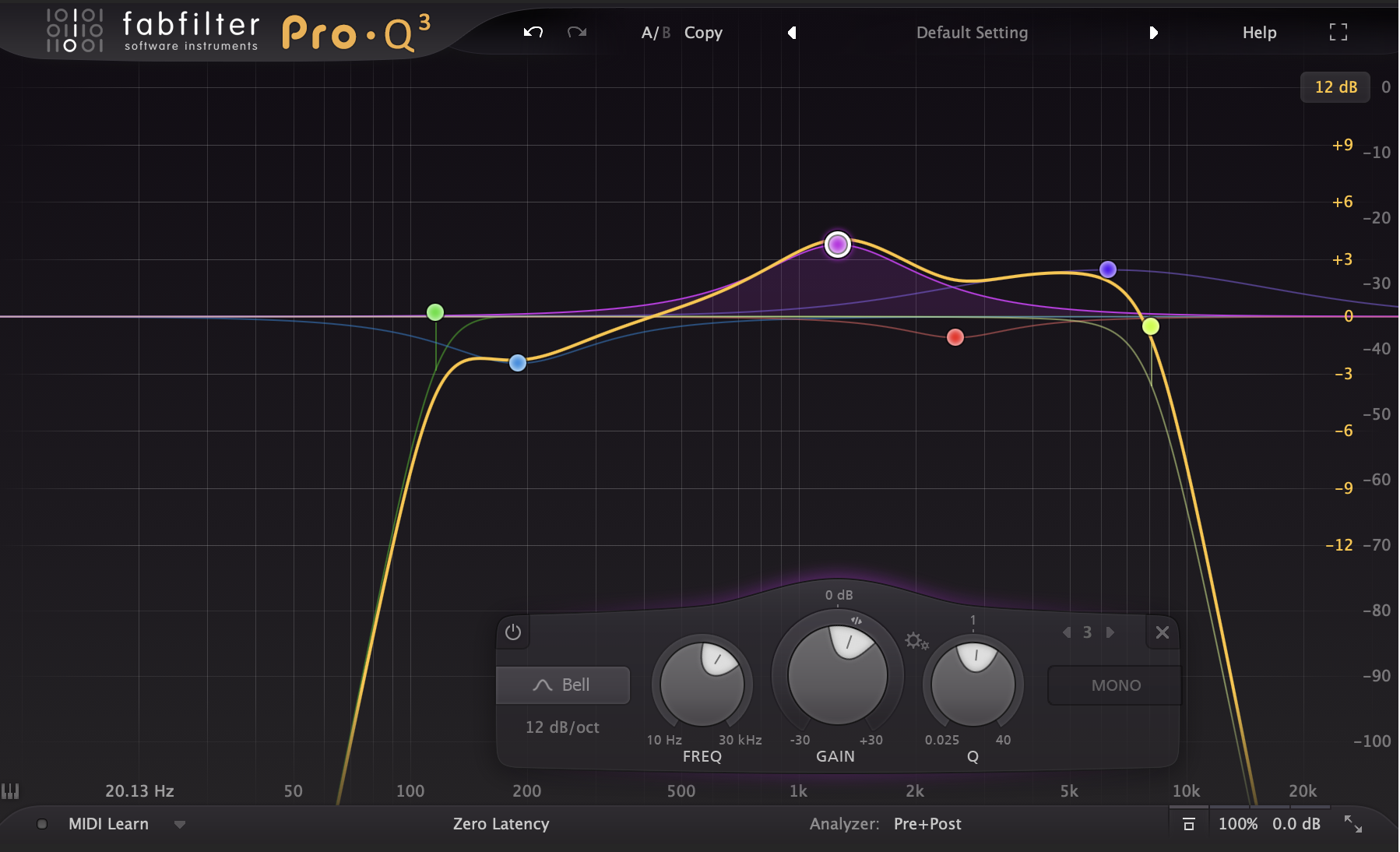
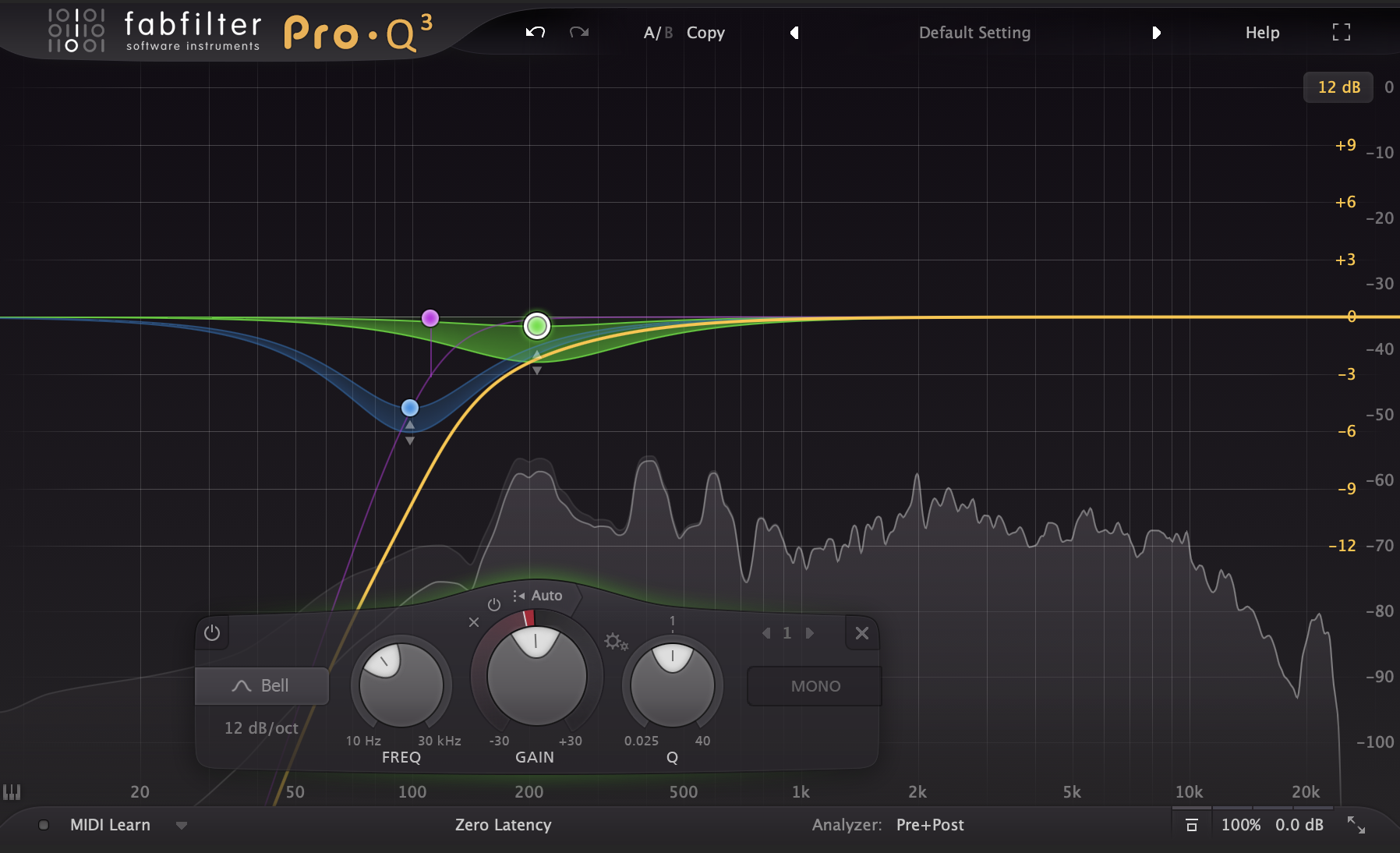
(Lead vocal EQ)
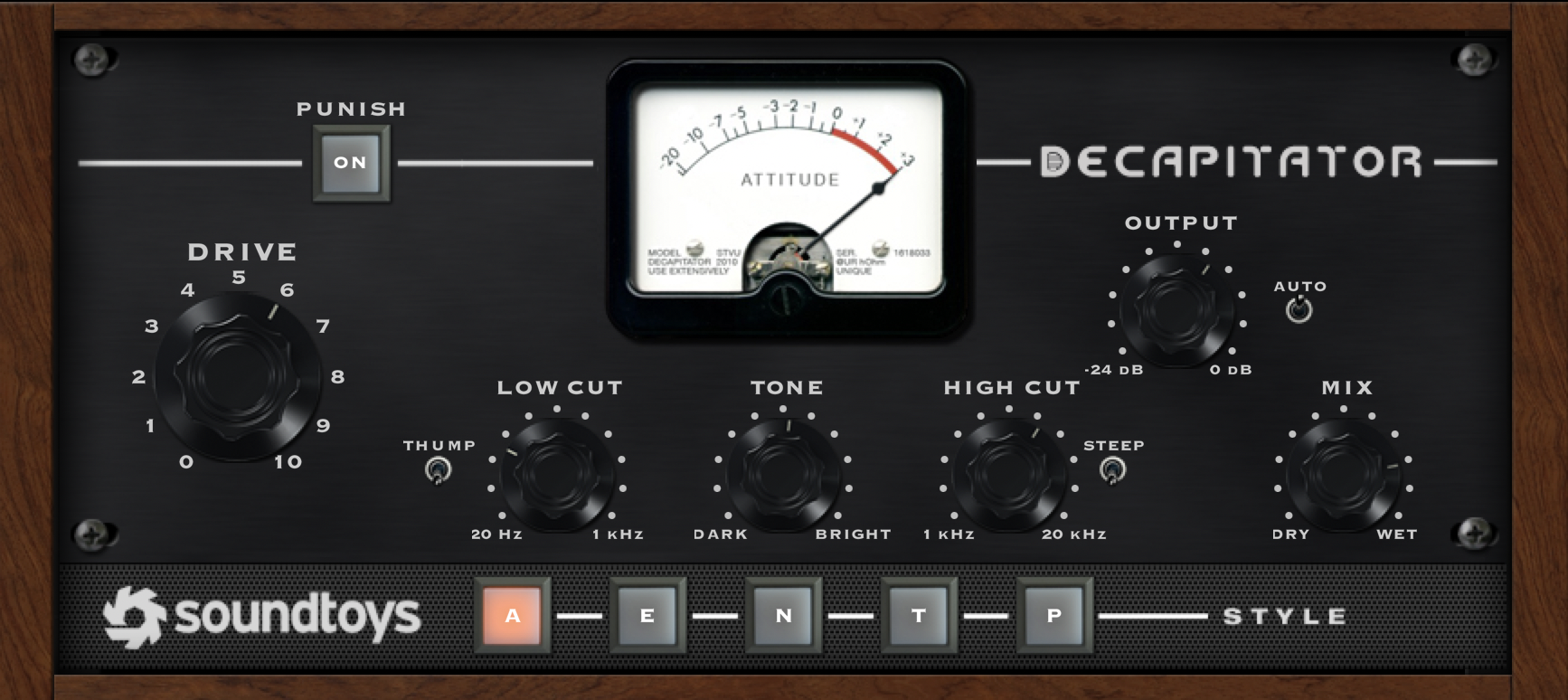
(Lead vocal distortion using Decapitator)
For a megaphone effect, I added a slap back delay on an auxiliary channels. I think this really suits the spoken word style of the vocal performance, and the punkier aesthetic of the song.
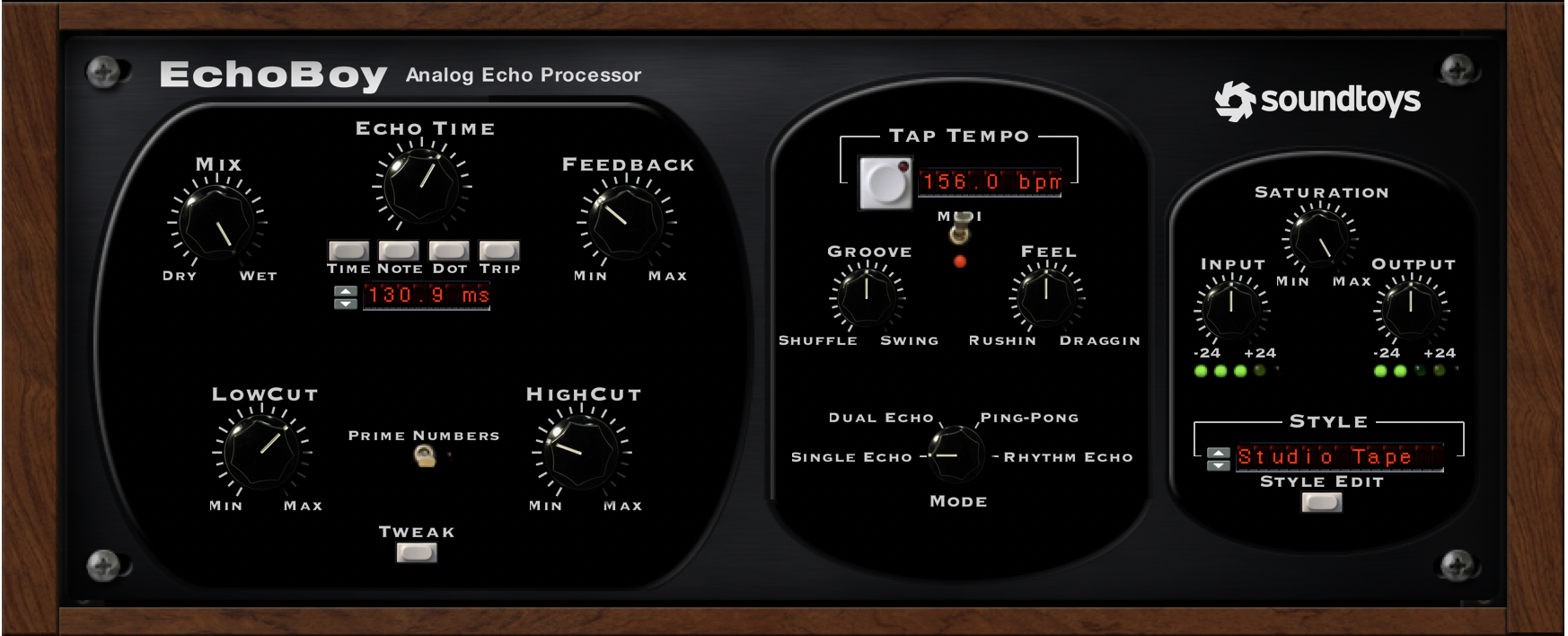
(Lead vocal slapback delay)
Synth
As predicted, the synth did initially clutter the mix. It and the guitars, vocals and cymbals all sit within a very similar frequency range and were competing for space. I cut out sections of the synth where it felt they were not adding anything to the song, and high-passed the remaining parts to create some space for the kick and bass. I also carefully panned the guitars and synth left and right so that they all had a clear space within the mix. This more thought out arrangement of the synth created a better stereo image in the song. Being a less cluttered mix allowed the song to sound tighter and punchier.
Mastering
Spiderhoney gets their songs mastered by a mastering specialist, Izzy McPhee. I feel that this works best for us because, as a band, we write, produce, record and mix our own releases. It can become exhausting listening to the songs hundreds of times, and there can be the risk of becoming ‘deaf to the detail’. Passing this last stage of the process onto an external person can allow a fresh perspective on the mix and achieve a better final result.
Critical Reflection
I felt that I achieved a really great sound for both of the songs and produced the best recordings that Spiderhoney have so far. These latest songs are a new sound for Spiderhoney, grittier and heavier, and I am a fan. I feel the band has found a sound that is working well and I would like the band to keep going in this direction.
I think I was well organised for this project and managed the sessions really well amidst the band's busy schedule. I also managed to achieve everything I wanted within the three sessions, with confidence and comfortable efficiency. This has shown me that when I begin charging bands a daily engineering rate, I can be confident that I can deliver a quality recording that meets the brief, within a time frame, and that is reflective of the fee.
I still struggle with the process of recording drums when I am both the drummer and the engineer. I want to really focus on both, as it is a tricky balance and I have very specific visions for my drum sounds.
I learnt a lot from this project about ‘less is more’ and creating space for each element of the mix. In the future, I will now plan arrangements better from the beginning, thinking more carefully about where each instrument should belong and what its purpose is within the song.
I feel my skill for committing to sounds earlier in the recording has improved. I was really happy with a lot of the results we got in the recording stage. It meant less mixing and searching for the right sounds in the post production stages. The band were also happier with the good recording takes, as it felt like the sound we wanted was nearly there at an earlier state and created excitement for the finished product. Overall, the making of these two songs with Spiderhoney felt more creative than our previous ones.